In The Press

inDrive partners with MIC Global to provide Personal Accident and Medical Expense Coverages to its Drivers

06.25.2024
Gig Economy MiIncome Press Release
a pr inDrive

inDrive partners with MIC Global to provide Personal Accident and Medical Expense Coverages to its Drivers

25 June 2024
MIC Global and inDrive logos

NEW YORK, NY, UNITED STATES (June 20, 2024) – MIC Global (MIC), a pioneering full-stack embedded micro insurance provider, is partnering with international mobility and urban services platform inDrive and local insurers to provide innovative micro insurance coverages to inDrive drivers and passengers around the globe – beginning in Latin America with personal accident and medical expense coverages.

Drivers and passengers in Mexico, Peru, and Brazil will be the first to benefit from the coverages.

inDrive is a global mobility and urban services platform known for its use of innovative peer-to-peer pricing. Fares, journey, and requirements are agreed between users – ensuring that deal conditions are fair and transparent.

With its platform rapidly growing in popularity around the world, inDrive are adding service value and driving global expansion by introducing new embedded micro insurance products – supporting the driver community, incentivising users to stay on the platform and attracting new app users. 

Arsen Tomsky, CEO, inDrive, commented:

“At inDrive, our community is at the heart of everything we do. By partnering with MIC Global, we are taking a significant step towards ensuring their well-being and financial security. This initiative is part of our broader commitment to empower our users and enhance their experience on our platform.”

Andries Smit, VP of New Ventures, inDrive, added:

“We are excited to partner with MIC Global. They share our mission to challenge social injustice and help drivers and passengers in emerging markets around the world. I’m inspired by the pace MIC worked with us to innovate great solutions. The opportunity at hand is significant.”

Supported by MIC’s MiIncome digital reinsurance solution through local insurers, inDrive and MIC are collaborating on a series of products that help with everyday financial challenges that inDrive drivers and passengers face. Starting with personal accident (Accidental Death and Total Permanent Disability) and accidental medical expense (Hospital Cash and Medical Expenses Reimbursement) coverages, individual drivers can benefit from financial support to help them afford associated hospital and medical costs and protect their families if they suffer permanent disability or fatality.

Jamie Crystal, Co-Founder & CEO, MIC Global, said:

“We are pleased to be partnering with inDrive, continuing our mission to provide our MiIncome reinsurance solution with its technology-enabled loss of income risk triggers to underserved people globally. We look forward to what the future holds as we work closely with inDrive, developing new embedded micro insurance innovations that provide peace of mind to its drivers and users.”


About MIC Global:

MIC Global is a full-stack embedded micro insurance provider purpose-built to transform the insurance industry by reimagining and integrating simple and relevant insurance products that provide loss of income cover for people so that they can provide for their families and recover swiftly. MIC was founded with an aspirational goal to help close the insurance protection gap by providing inclusive and affordable insurance to people and to support them in their time of need.

To learn more, please visit https://www.micglobal.com or Contact Us (Press Inquiries)

About inDrive:

inDrive is a global mobility and urban services platform. The inDrive app has been downloaded over 200 million times, and was the second most downloaded mobility app in 2022 and 2023. In addition to ride-hailing, inDrive provides an expanding list of urban services, including intercity transportation, freight delivery, task assistance and courier delivery. In 2023, inDrive launched New Ventures, a venture and M&A arm.

inDrive operates in 749 cities in 46 countries. Driven by its mission of challenging social injustice, the company is committed to having a positive impact on the lives of one billion people by 2030. It pursues this goal both through its core business, which supports local communities via a fair pricing model; and through the work of inVision, its non-profit arm.

For more information, please visit https://indrive.com/

inDrive se asocia con MIC Global para brindar coberturas de accidentes personales y gastos médicos a sus conductores

25 de junio de 2024

MIC Global and inDrive logos

NUEVA YORK, NY, ESTADOS UNIDOS (20 de junio de 2024) – MIC Global (MIC), una compañia pionera en microseguros como valor agregado, en asocio con la plataforma internacional de movilidad y servicios urbanos inDrive y el respaldo de aseguradoras locales, se unen para brindar coberturas innovadoras de microseguros para conductores y pasajeros de inDrive alrededor del mundo, comenzando en América Latina con coberturas de accidentes personales y gastos médicos.

Los conductores y pasajeros de México, Perú y Brasil serán los primeros en beneficiarse de las coberturas.

inDrive es una plataforma global de movilidad y servicios urbanos, conocida por su uso de precios innovadores entre sus usuarios. Las tarifas, los viajes y los requisitos se acuerdan entre los usuarios, lo que garantiza que las condiciones y trato sean justas y transparentes.

Con la plataforma aumentando su popularidad rápidamente en todo el mundo, inDrive está agregando valor a sus servicios e impulsando la expansión global mediante la introducción de nuevos productos de microseguros apoyando a la comunidad de conductores, incentivando a los usuarios a permanecer en la plataforma y atrayendo nuevos usuarios al uso de su aplicación.

Arsen Tomsky, director ejecutivo de inDrive, comentó:

“En inDrive, nuestra comunidad es el corazón de todo lo que hacemos. Al asociarnos con MIC Global, estamos dando un paso importante para garantizar su bienestar y seguridad financiera. Esta iniciativa es parte de nuestro compromiso para empoderar a nuestros usuarios y mejorar su experiencia en nuestra plataforma”.

Andries Smit, vicepresidente de New Ventures de inDrive, añadió:

“Estamos entusiasmados de asociarnos con MIC Global. Comparten nuestra misión de desafiar la injusticia social y ayudar a los conductores y pasajeros en los mercados emergentes de todo el mundo. Me inspira el ritmo con el que MIC trabajó con nosotros para innovar y proporcionar excelentes soluciones. La oportunidad que tenemos en estos momentos es significativa”.

Con la solución digital de reaseguro de MIC’s MiIncome a través de aseguradoras locales, inDrive y MIC están colaborando para ofrecer una serie de productos que ayudan con los desafíos financieros cotidianos que enfrentan los conductores y pasajeros de inDrive. Comenzando con las coberturas de accidentes personales (Muerte Accidental e Incapacidad Total Permanente) y gastos médicos accidentales (Reembolso de Gastos Médicos y Efectivo por Hospitalizacion), los conductores pueden beneficiarse de este apoyo financiero para ayudarlos a pagar los costos asociados con gastos médicos y hospitalarios ademas de proteger a sus familias si sufren daños permanentes, invalidez o fatalidad.

Jamie Crystal, co-fundador y director ejecutivo de MIC Global, dijo:

“Estamos encantados de asociarnos con inDrive y continuar con nuestra misión de proporcionar nuestra solución digital de reaseguro MiIncome para administrar los identificadores de riesgo de pérdida de ingresos basados ​​en tecnología, para personas desatendidas en el mundo entero. Estamos ansiosos por ver lo que nos  depara el futuro mientras trabajamos en estrecha colaboración con inDrive, desarrollando nuevos e innovadores productos integrado a nuestros microseguros brindando asi tranquilidad a sus conductores y usuarios”.


Acerca de MIC Global:

MIC Global es un proveedor de microseguros como valor agregado diseñado específicamente para transformar la industria de seguros mediante la reinvención e integración de productos de seguros simples y relevantes, que brindan cobertura por pérdida de ingresos a las personas a fin de que puedan mantener a sus familias y recuperarse rápidamente. MIC se fundó con el objetivo de ayudar a cerrar la brecha de protección de seguros brindando seguros inclusivos y asequibles a las personas y apoyándolas en sus momentos de necesidad.

Para obtener más información, visite https://www.micglobal.com o Contáctenos (consultas de prensa)

Acerca de inDrive:

inDrive es una plataforma global de movilidad y servicios urbanos. La aplicación inDrive se ha descargado más de 200 millones de veces y fue la segunda aplicación de movilidad más descargada en 2022 y 2023. Además del servicio de transporte compartido, inDrive ofrece una lista cada vez mayor de servicios urbanos, incluido el transporte interurbano, la entrega de mercancías, la asistencia en labores y entrega por mensajería. En 2023, inDrive lanzó New Ventures, una empresa de fusiones y adquisiciones.

inDrive opera en 749 ciudades y 46 países. Impulsada por su misión de desafiar la injusticia social, la compañía se compromete a tener un impacto positivo en las vidas de 1 billón de personas para el 2030. Persigue este objetivo a través de su negocio principal, el cual apoya a las comunidades locales utilizando como modelo precios justos como a través de inVision, una organizacion sin fines de lucro.

Para obtener más información, visite https://indrive.com/

Let’s Grow Together

Explore Our Demo

In The Press

MIC Global partners with WRMS Global to deliver Flood Resilience cover to Merchants and Gig Workers in India

02.08.2024
Gig Economy MiIncome Natural Hazards Press Release
a pr wrms

NEW YORK, NY, UNITED STATES (Feb. 8, 2024) – MIC Global is partnering with WRMS Global and local insurers in India to bring loss of income coverage to India’s merchants and gig workers faced with unprecedented flood risks, supported by MIC’s MiIncome digital reinsurance solution.

In the first of a series of product innovations responding to increasing events caused by natural hazards – such as floods – and the subsequent loss of income gap experienced by working individuals across the globe, MIC have developed their Flood Resilience trigger as part of their MiIncome digital reinsurance solution.

This new to market parametric micro insurance product – available to customers via platform partners and local insurers in India – provides micro businesses, merchants, and gig workers in India with access to cover for when faced with loss of income due to flooding in their local area. MIC’s solution includes a parametric claims process. When defined conditions are met, inconvenience payments are made to help platform companies put money into the pockets of individuals, supporting them when flooding hits their local area.

Jamie Crystal, CEO & Co-Founder, MIC Global, says:

“As we embark on this exciting journey with WRMS, we are proud to introduce our first of its kind flood resilience product for the Indian market. Together, we are pioneering resilience micro insurance, supported by our MiIncome digital reinsurance solution – protecting merchants and gig workers in India from the harsh impact of income loss due to flooding and thereby helping to secure their livelihoods. This innovative product not only defines a new micro insurance category for India but also reflects our commitment to building a more sustainable and resilient future for the backbone of the nation’s economy.”

WRMS is a climate and agriculture risk management company. WRMS helps people and businesses boost productivity, engage in sustainable working practices, and secure a reliable income through risk management solutions based on data, technology, and financial innovation.  Key to this partnership is WRMS’ commitment to securing income.

Anuj Kumbhat, CEO, WRMS, adds:

“Our collaboration with MIC Global is an alliance with a shared purpose. This partnership embodies our joint commitment to create a more resilient future, intricately tailored by our expertise to fortify vulnerable individuals, communities, and businesses against emerging natural disaster risks. Together we are revolutionizing protection for millions of lives and livelihoods, ensuring resilience in the face of rapid climate change and evolving challenges.”

About MIC Global:

MIC Global is a full-stack embedded micro insurance provider purpose-built to transform the insurance industry by reimagining and integrating simple and relevant insurance products that provide protection for people so that they can provide for their families and recover swiftly. MIC was founded with an aspirational goal to help close the insurance protection gap by providing inclusive and affordable insurance to people and to support them in their time of need.

For more information, please visit https://www.micglobal.com or Contact Us (Press Inquiries)

About WRMS Global:

Established in 2004, WRMS Global is a leading climate & agricultural risk management company. WRMS Global has collaborated with both Central and State Governments and renowned institutions like PepsiCo, Bayer, World Bank, and HDFC. It has successfully implemented income guarantee programs that have positively impacted more than 10 million beneficiaries. Beyond this, WRMS Global also works with businesses to provide comprehensive risk management solutions to help them protect their operations from extreme weather events and adversaries.

For more information, please visit https://wrmsglobal.com/

Let’s Grow Together

Explore Our Demo

In The Press

Loss of Income Protection for Micro Entrepreneurs: From Risk to Resilience with Micro Insurance

12.21.2023
Gig Economy MiIncome
blog life microentrepreneur
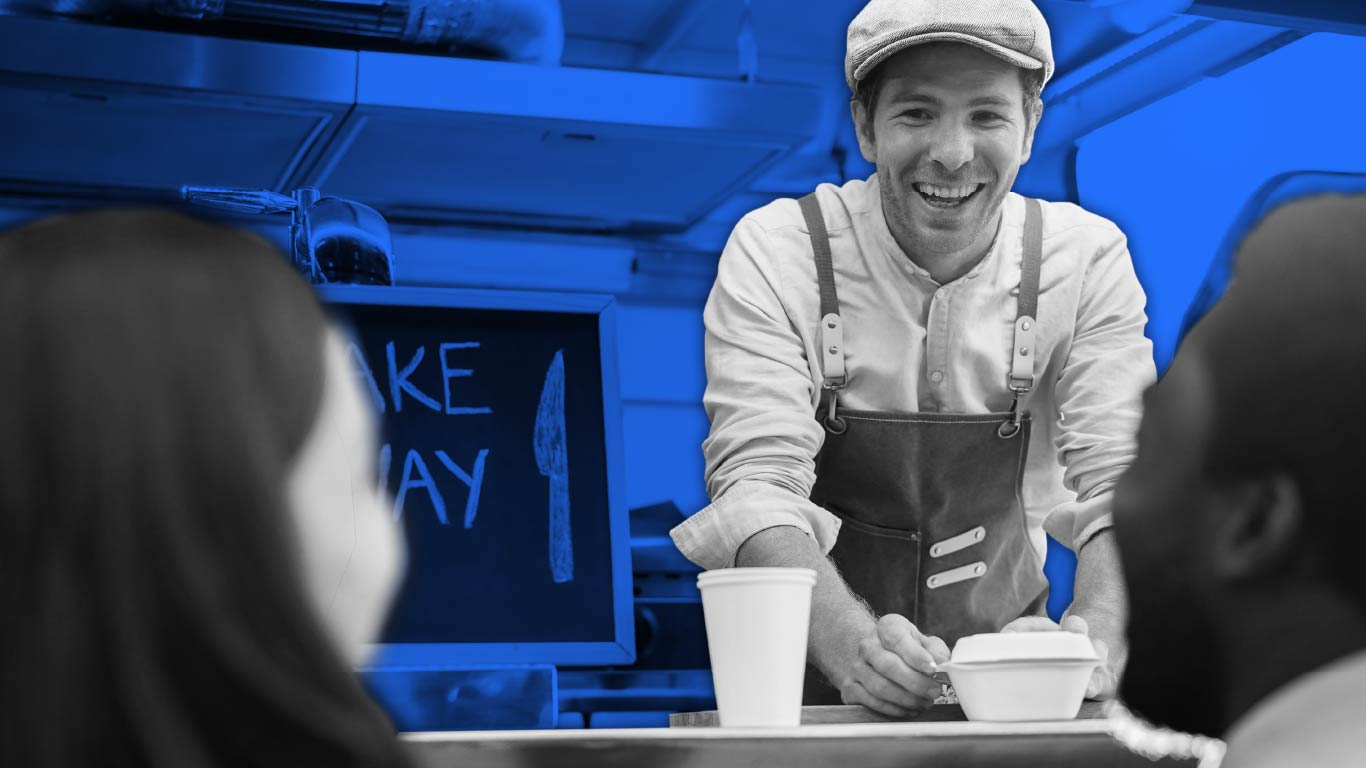
Black and white photograph of man handing food to two customers through a food truck window, with blue background.

Loss of income is an ever-present concern for micro entrepreneurs. The cause could be as simple as a broken phone or stolen laptop preventing fulfilment of over-the-phone or e-orders (plus the cost of repair or replacement!), sudden illness preventing work for a few days, or an overnight break-in closing a shop for repairs. Inconveniences that make them unable to sell their wares and services, causing immediate loss of income and monetary outlay.

They need a solution, and we have one: MiIncome embedded micro insurance.

MiIncome digital reinsurance is our loss of income micro insurance solution. We work with insurance and platform partners to support their own income protection products with tailored, trigger-based, reinsurance solutions that are relevant to their target demographic. MiIncome increases brand stickiness by showing platform customers that the brands that they already know and interact with have their backs when they’re faced with life’s inconveniences, boosting customer satisfaction and trust.

Wait, isn’t there already business interruption insurance?

While business interruption insurance sounds like the obvious solution, it generally isn’t suitable for micro entrepreneurs.

Business owners can protect their assets, employee wages, and incomes with business interruption insurance. Typically, these policies cover losses following large-scale disaster events that cause material property damage (building and stock) or create obstacles to business operations at a specified location. Events may include natural disasters, fire, flooding, and utilities failure (water, gas, and electricity).

This one-size-fits-all approach creates a protection gap for micro entrepreneurs. Often, these individuals don’t work from a fixed location or out of a commercial property (such as market and street traders or cottage industries). Many don’t hold stock or have employees to pay. However, they need protection for the financial inconveniences and income disruptions that result from large-scale events, and everyday life incidents that stall their business activities and ability to earn.

Let’s consider a food truck owner. Their business is mobile, they hold small quantities of fresh ingredients replenished daily, and work alone. They insure their truck for damage and theft, but as for their income, business interruption insurance simply isn’t a good fit for this micro business. If a flood were to hit and halt business, the owner is subjected to loss of income while unable to trade.

We are disrupting business interruption insurance.

Providing micro entrepreneurs with a relevant solution.

Our MiIncome digital reinsurance solution fills the gap left by traditional insurance. Unlike business interruption insurance, MiIncome is not dependant on large-scale events and consequential material damage to the business. Instead, through our platform partners, we cover the individual rather than their business.

Designed to protect individual’s income from life’s inconveniences, MiIncome helps our insurance and platform partners to provide quick payments to help cover their customers’ expenses when something happens that disrupts their ability to trade and earn. MiIncome is parametric, with defined pay-out triggers to ensure that a platform’s customers know exactly what they’re covered for, how much to expect, and for how long.

Working with you to support micro entrepreneurs.

Convenience, accessibility, and affordability are key to MiIncome. We collaborate with you to create a highly desirable MiIncome product tailored to the needs of your customers. This is embedded within your platform as an add-on to your core offering – differentiating your brand and creating a new revenue stream.

For example, MiIncome could be offered to micro entrepreneurs as part of a bank’s small business current account, ready to be called upon when income temporarily stops – perfect for the food truck owner mentioned earlier. In the digital world, it could be offered to sellers on an online storefront, for times that they are unable to fulfil orders due to personal circumstances – keeping sellers on the platform with an enticing benefit.

Your solution is integrated with our tech services via API, ready for when a customer needs to claim. Our claims process is powered by advanced AI technologies, allowing for rapid straight through processing. Claims can be received, assessed, settled*, and paid to our local insurance partners without human input, helping you to put money in your customers’ pockets fast – meaning that micro entrepreneurs can recover from whatever inconvenience is impacting their income and get back to business.

Helping micro entrepreneurs stay afloat.

Running a business comes at great personal risk. When unable to trade and faced with unexpected costs through no fault of their own, micro entrepreneurs are vulnerable to loss of income, and often don’t have insurance to fall back on. An affordable MiIncome safety net helps reduce that risk by ensuring they have a buffer in times of hardship, ready to pay out in just a few clicks.

So, for when life happens micro entrepreneurs, be sure to have a MiIncome solution in place to help keep them in business!

Tell me more about MiIncome.

Thanks for reading our article. To learn more about MiIncome, visit our product page and get in touch with us below to discuss how we can help your business put money in your customers’ pockets in their time of need.

Further reading

No Income? No Problem! How MiIncome Enables Customer Support During Income Disruption

Protecting Gig Workers from Income Loss

Bouncing Back from Natural Disaster: Solving Individual and Economic Resilience with Micro Insurance

* 80% of claims turned around within 48 hours, May–Dec 2023.

Let’s Grow Together

Explore Our Demo

In The Press

Bouncing Back from Natural Disaster: Solving Individual and Economic Resilience with Micro Insurance

11.16.2023
Gig Economy MiIncome Natural Hazards
blog life man pushing rickshaw
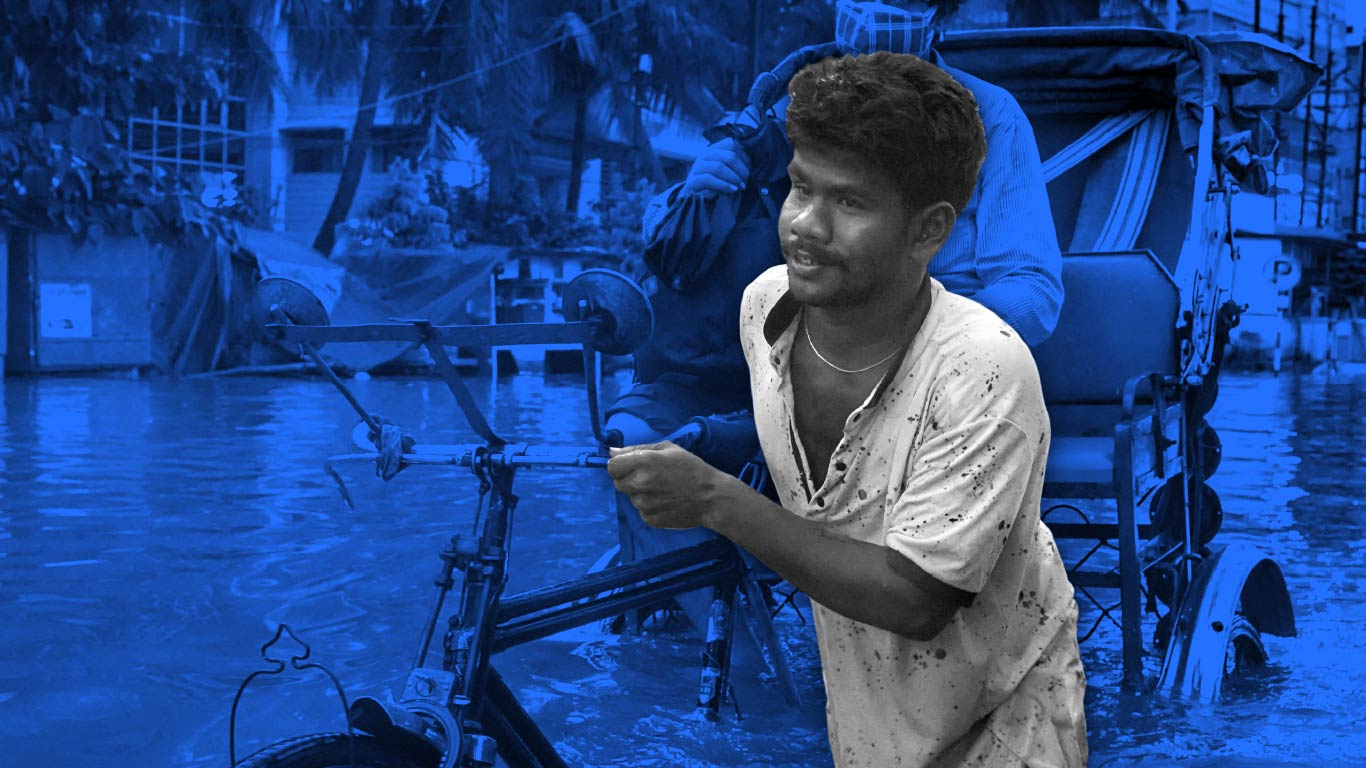
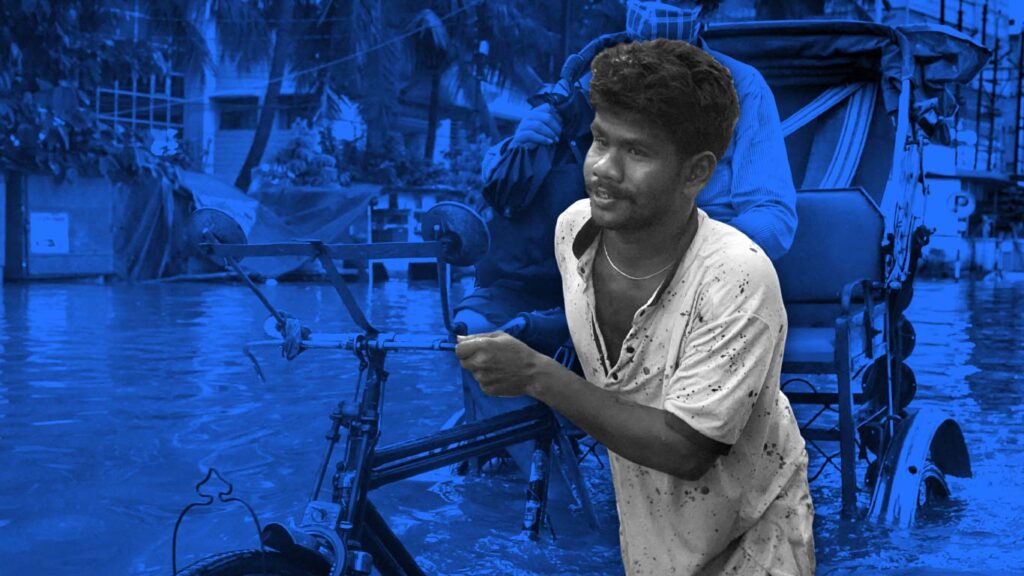
Black and white photograph of a man wading through a flooded street while pushing a bicycle taxi

Flood. Storm. Earthquake. Wildfire.

These are among the most common forms of natural hazard events experienced around the world, and they’re becoming more frequent as climate change takes hold. These natural hazards can strike at any moment and often displace people, halt livelihoods, and can even affect country economies.

Resilience – “the capacity to withstand or to recover quickly from difficulties” – is key to individuals and economies coping with the aftermath of catastrophic events. In financial recovery terms, this means having an emergency fund available to aid recovery, but for many this simply is not possible. The insurance industry can offer a lifeline to enable individuals to weather the storm during a natural hazard event and after the dust settles, water retreats, or fires are put out.

In today’s blog, we consider the immediate financial effects of natural hazard events and how micro insurance products, such as MiIncome, can play a vital role in helping individuals and communities bounce back when disaster strikes.

Let’s consider someone many of us see in the streets every day or have seen on news stories…

Weathering the Storm

Ali is a bicycle rickshaw rider living in a country prone to extreme weather. As a gig worker, his income is based on his ability to work. For Ali, that’s riding and receiving fares, so any disruption can be costly. The last few years have been tough. The pandemic halted his earnings as people were mandated to stay in their homes, so he had no choice but to break into his savings to keep on his feet. Now, any emergency expense or loss of income is a major issue, as living week to week, he has little left to save.

Recently, the country has experienced an extended dry spell followed by torrential rainstorms that lasted a couple of days, with more rain expected. In Ali’s hometown, flash flood waters have risen rapidly, resulting in streets resembling rivers, and ground floors of homes and buildings like dirty swimming pools. Lives are on hold as flooding impedes movement, forcing many shops to close and utilities to be switched off.

Ali is attempting to work as usual, but with flood water up to his waist and being unable to see debris around his feet, he soon concedes and returns home, resulting in immediate loss of income. With more rain forecast, he has no idea when he’ll return to the road. To add insult to financial injury, with water and electricity supplies shut off, he needs to buy bottled water and much of his food could go to waste, requiring replacement when normality resumes – another inconvenience he could really do without.

A Global Protection Gap

Ali has an immediate need to access money to survive the flood, but dwindled savings will make day-to-day life challenging.

Worldwide, much like Ali, high percentages of populations do not have emergency funds to help in the wake of an unexpected event caused by natural hazards. For example, 75% of Indian millennials claim they do not have an emergency fund and 63% of employees in the US would be unable to cover a $500 emergency expense. Similar stories have also been reported this year in the UK and Australia.

This begs the question – how can micro insurance be used to improve individual and national economic resilience in areas vulnerable to natural hazards?

MiIncome for Individual Financial Resilience

MiIncome digital reinsurance solution is our affordable, accessible, and relevant loss of income product which ensures people are adequately protected from threats to their livelihoods and incomes. We work with insurers and platform companies to support their own income protection products by tailoring MiIncome to their business and target demographic’s needs.

The MiIncome Resilience trigger provides coverage for loss of income due to natural hazards and extreme weather events. Coverage is parametric, enabling our insurance and platform partners to provide fast inconvenience pay-outs to their customers when insured events are met, to help navigate the issues they face in the moment. Going back to our earlier scenario, with coverage supported by MiIncome in place, Ali’s income gap will be softened, enabling him to afford emergency expenses, plug his lost income, and ride out the weather event.

This is of particular help to gig workers, especially those who rely on their ability to travel. MiIncome proves itself an invaluable resource for a demographic who already face challenges getting traditional income insurance.

MiIncome for National Economic Resilience

Branching out further, MiIncome can be utilised at a national scale to help aid a country’s economy in the wake of natural hazards and extreme weather.

According to SwissRe, global economic loss in 2022 mounted to $275 billion, of which only 45% ($125B) was insured. This large protection gap threatens economic financial resilience as individuals and small businesses struggle to recover from the effects of natural hazards.

Where countries have a large proportion of gig and MSME entrepreneurs operating, a natural hazard event can temporarily remove many of these workers from the economy. Government-backed micro insurance programs can be offered to ensure that their local economy continues to operate and grow while people and small businesses recover from disaster.

Disaster Response Micro Insurance Case Studies

To better understand the practical impact of micro insurance on a national scale in post-disaster scenarios, let’s look at a few examples:

  1. The Philippines: The Philippines is a nation that frequently faces extreme weather, including typhoons and earthquakes. Micro insurance programs, supported by both the government and local organisations, have allowed vulnerable communities to rebuild their homes and livelihoods after devastating events.
  2. India: The Indian government has implemented micro insurance programs that specifically target agricultural communities. These policies provide coverage against crop failure due to extreme weather events, ensuring that farmers can recover and continue their agricultural activities even after a poor harvest.
  3. Haiti: After the devastating earthquake in 2010, micro insurance played a crucial role in helping Haitian families rebuild their homes. Local organizations provided affordable micro insurance options, enabling communities to recover from this catastrophic event.

Helping People Recover from Natural Hazards with MiIncome Resilience

Natural hazards and extreme weather can hugely affect individuals in the moment, with a need for quick access to funds to cover short term loss of income, or in more serious circumstances provide cash to survive. Country’s economies can also suffer disruption while workers are unable to work and pay for goods and services.

With MiIncome Resilience, workers can access policies designed to help them in their hour of need with fast inconvenience payments*, which may provide a real lifeline when navigating a natural disaster. On a grander scale, governments can protect their citizens with government-backed insurance, but also gain a safety net that ensures that their economies remain stable and can weather the storm, while they focus on disaster recovery.

Tell me more about MiIncome Resilience

Thanks for reading our article. To learn more about MiIncome, visit our product page and get in touch with us below to discuss how we can help your business put money in your customers’ pockets in their time of need.

Further reading

Involuntary Unemployment: Protecting Employees from Income Loss

Life Happens… Protecting Gig Workers from Income Loss

No Income, No Problem! How MiIncome Enables Customer Support During Income Disruption

* 80% of claims turned around within 48 hours, May–Dec 2023.

Let’s Grow Together

Explore Our Demo

In The Press

Protecting Gig Workers from Income Loss

10.19.2023
Gig Economy MiIncome
blog life cyclist
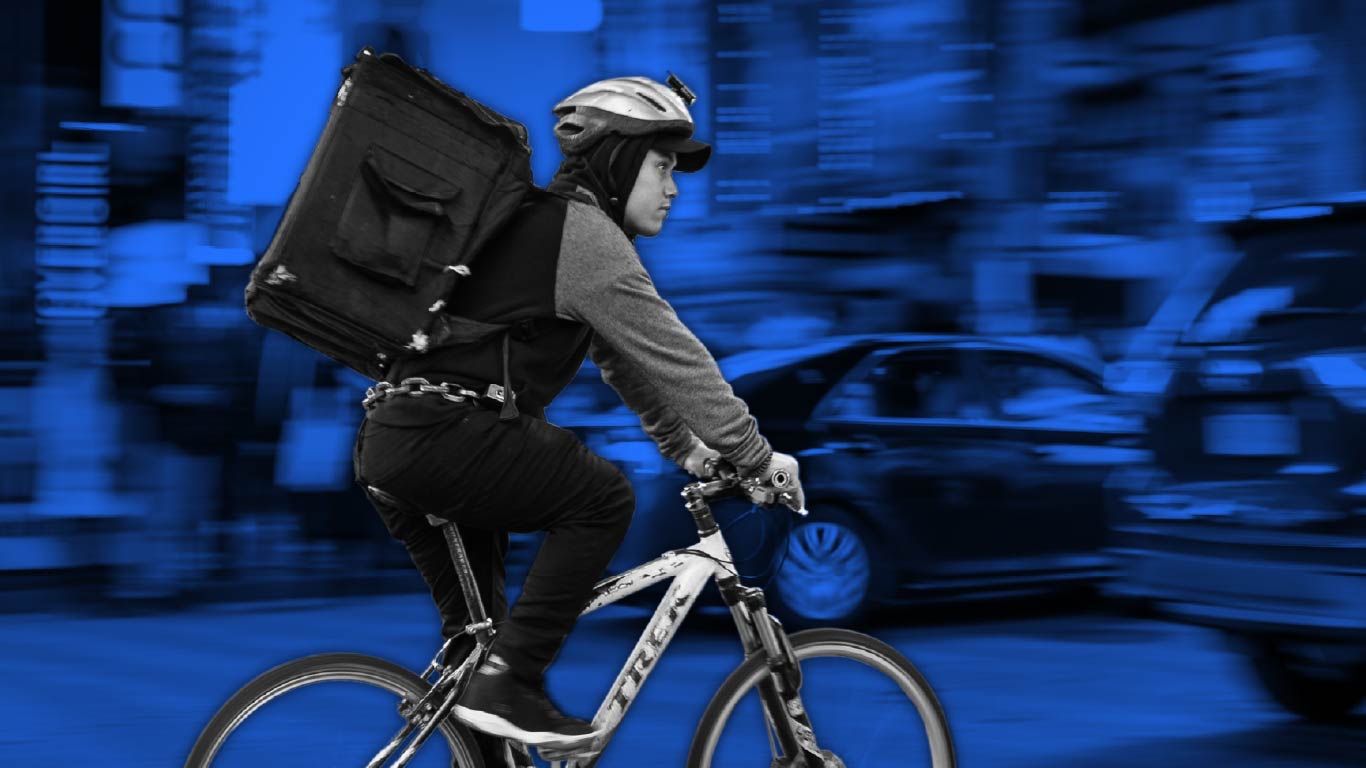
Black and white photograph of cycle courier riding through busy street, with blue background

A twisted ankle for a cycle courier. Laryngitis for a temporary customer call operator. Flu for a cabin crew member.

While these may not sound like a big deal, for the individuals affected it can lead to struggles paying the rent, putting food on the table, accessing medical care… being able to afford the crucial things in life. The gig workers in the examples above will be unable to work and will not receive a portion, or any, of their usual income for the duration of their recovery.

This is a huge problem for gig workers globally, who often do not receive employment benefits when unable to work and have difficulty getting income protection. What can people do to safeguard themselves against income loss in the gig economy which is not typically served by income insurance providers? How can this insurance protection gap be filled with micro insurance products such as MiIncome digital reinsurance?

Life happens…

First, let’s consider a few scenarios. These stories could happen to anyone, but can cause real problems for the gig workers.

A cycle courier is also a keen amateur soccer player. One weekend while training he trips and badly sprains his ankle. It’s enough to visit the Emergency Room, and he’s prescribed pain killers and a month of rest to recover – or else risk further damage. Being a gig worker, he needs to be able to complete jobs to earn an income. A month off his bicycle will put a real strain on his finances – he has rent and expenses to pay, and on top of that an outstanding medical bill and prescription pain killers to cover.

Illustration footballer in yellow jersey
Illustration woman in orange dress singing into microphone

An office support temp working as a customer call operator has a fun night out planned. She and her friends visit a karaoke bar, where they serenade the crowd into the early hours. Next morning, she awakes to a burning throat and can barely speak… clearly, she won’t be answering calls today! An online diagnosis suggests laryngitis and that she should rest her voice for at least a week – no matter, she can request to move to a different support role. While this flexibility is convenient, the gap in her income while she is reassigned will not be. With less income for the month, she’ll need to prioritise her expenses and stretch what’s left.

A cabin crew member is home for the week. While visiting family, she picks up a case of flu. Now, airline policy means that she will be grounded until she has recovered. Of course, this means that she will not earn her flight hour bonuses and layover allowances, which she relies on to top up her basic salary. She knows that her basic salary isn’t enough to comfortably live on, so this month is going to be tough on her wallet. She loves her job, but the risk of being grounded and losing income through illness is an aggravation she could do without.

Illustration woman in blue jumper sneezing into tissue

Gig workers are vulnerable to loss of income

Gig workers – employees, contractors, and freelancers in the gig economy, such as those described – rely on their ability to work to make a living. Gaps in income due to injury, illness, and personal reasons are not typically accounted for by their employer. So, while these sorts of jobs can be highly rewarding – providing scalability, flexibility, or even the chance to see the world – ‘when life happens’, workers are vulnerable to fluctuations in income when they are unable to work.

Nobody wants to hide away to avoid unexpected illness and injury, but at the same time everyone needs to safeguard their ability to earn a living.

How can this be solved? One answer is through loss of income cover powered by embedded micro insurance products.

The simple solution for protecting gig worker’s income income from life’s inconveniences

The gig economy comes with its own set of challenges when it comes to applying for personal income protection. Generally, insurers require a minimum number of hours to be worked per week, which those working zero-hour contracts and gig-to-gig are not always able to guarantee. So, it’s often the case that income protection insurance through traditional insurers is simply not accessible. It’s easy to see how an insurance protection gap has formed.

Which is where embedded micro insurance comes into play. This style of insurance isn’t concerned with how many hours a person works, who they work for, or when they work. Micro insurance is generally available to anyone who has a need to access quick payments in order to soften the financial blow an unexpected event. With defined parameters, customers know exactly what they’re covered for and what will trigger a pay-out. This is perfect for gig workers who may suddenly find themselves unable to work.

Loss of income micro insurance products – such as our own MiIncome digital reinsurance solution – are accessed via relevant platforms and services rather than insurance companies. This could be an add-on to a bank’s credit card scheme or as part of a virtual wallet app’s offering. Opt-in products are offered through a customer’s account for a micro premium, which can be leveraged as required – helping them maintain their income through adverse health and events. These embedded insurance products are convenient and affordable, making them a real financial lifeline for those without adequate income protection.

Platform companies can also benefit from implementing an embedded micro insurance solution. Typically, high employee turnover rates are experienced by the gig economy and industries that don’t guarantee sick pay – such as airlines, hospitality, and retail. To counter concerns about income fluctuation, platform companies can offer loss of income schemes as a perk to their employees, enabling them to provide coverage in times of need. This can boost employee retention and job satisfaction, as staff have easy access to income loss cover – making them less likely to get frustrated with income gaps and look for less risky employment elsewhere.

This is where your business comes in!

Your business can provide a safety net to your customers and employees with MiIncome

MiIncome is our popular loss of income suite, which looks after people’s personal finances when they’re unable to work – we help our insurance and platform partners put money in people’s pockets. This specialized embedded micro insurance product is designed to offer short-term income security for individuals engaged in full- and part-time jobs, self-employment via independent contracts, gig work, and moonlighting and freelancing while operating through a platform company.

MiIncome supports your own income protection program.

We work with you to tailor MiIncome’s triggers to your company’s specific needs, creating a product that is highly relevant and desirable to your market – whether that’s your customers or employees. MiIncome also has the added benefits of creating an additional revenue stream, differentiating your company and strengthening customer trust and satisfaction in your brand.

The Health trigger has been developed for situations just like those discussed here. In the event of sickness or injury that prevents an insured individual from working, lump sum payments are made to help them cover their essential expenses. This helps mitigate the income gap burden faced by many gig workers, who are now able to recover comfortably without financial woes.

We integrate our MiIncome solution with your company’s platform via API. When a claim is made, it is rapidly assessed and settled* by an AI powered automated process. So long as all the parameters for claim are met, quick payments can be made to our local insurance partners, meaning insured individuals can have money in their pockets fast. This speed of payment is a massive benefit to gig workers – many of which are used to being paid daily or weekly.

Making the best of a bad situation

Being ill or injured and unable to work is a difficult position to be in for anyone, especially for gig workers. With MiIncome in place, insured gig workers have peace of mind that income gaps due to adverse health are covered. As for gig economy employers offering a MiIncome scheme, you can be safe in the knowledge that when your workers are fit to return to work, it will still be with you.

So, for when life happens to your customers and employees, be sure to have a MiIncome solution in place to help them get back to living it!

Tell me more about MiIncome

Thanks for reading our article. To learn more about MiIncome, visit our product page and get in touch with us below to discuss how we can help your business put money in your customers’ and employees’ pockets in their time of need.

Further reading

No Income, No Problem! How MiIncome Enables Customer Support During Income Disruption

MIC Global and The Plateau Group Partner with Grid and Harmonic Insurance Services to Protect American Workers’ Income

MIC Global and The Plateau Group Partner with Leap Financial to Deliver Digital Medical Expense Protection in the USA

* 80% of claims turned around within 48 hours, May–Dec 2023.

Let’s Grow Together

Explore Our Demo

In The Press

No Income? No Problem! How MiIncome Enables Customer Support During Income Disruption

07.14.2023
Gig Economy Micro Insurance MiIncome
blog miincome

For the vast majority of us, regular income is essential. From the property we live in and traveling to places we need to go, to the clothes we wear and the food we eat – income provides the economic means to afford the necessities of everyday life and luxuries that we desire. Generally speaking, this is as an employee of a company – which is great while it works.

But what happens when we find ourselves without an income for reasons beyond our control? Perhaps being unexpectedly laid-off takes away regular salary, or an accident at home prevents working. Suddenly we’re wondering how our bills will be covered and essential expenses will be paid for while our we sort out a new position or adjust our life – a heavy burden for anybody.

Harder still is to gain access to insurance cover that can help you in your hour of need and is affordable.

How can your company help customers with gaps in income?

Introducing MiIncome

We have developed the MiIncome digital reinsurance solution, a suite of financial protection triggers built to cover disruptions to people’s income. Within this suite are Involuntary Loss of Employment, Accident & Health, and Resilience triggers which have been specifically designed to provide short-term income protection to individuals in full- and part-time employment, self-employment through independent contract work, gig work, and moonlighting or freelancing while operating through a platform company.

MiIncome can help differentiate your company or service. Whatever your customers’ needs, MiIncome can be tailored to be suitable for your demographic, coverages required, or scale of the program. We work with you to ensure that MiIncome is delivered to your business and customers efficiently within your market.

Your business + MiIncome

MiIncome is an embedded micro insurance product that is included as part of your company’s existing digital platform or service. This provides your customers with convenient access to income protection through a brand that they are already engaged with and trust – adding value to your company and differentiating from your competitors.

With MiIncome as part of your company’s digital offering, your customers can be encouraged to opt-in to their new benefits or a new program. This could be as an additional benefit to their existing subscription, or as a stand-alone product creating a supplementary revenue stream for your business.

Income protection through MiIncome is a powerful and in-demand product. When enrolled customers find themselves without income, they can claim income benefits directly from your company’s app or website. When a customer makes a claim, the MIC machine spins into action. Receiving information via integrated API connection, our AI-powered automated claims process assesses, investigates, and makes a settlement decision based on submitted information, providing fast payments* to our local insurance partners – meaning that your business can help its customers have money in their pockets within hours, so that they can concentrate on getting back to earning without financial worries.

With a MiIncome earnings protection offering, your company is seen as a leading brand for financial wellbeing by providing a safety net for when customers need it most. Not only does this support help alleviate the immediate impact of lost income, but it also demonstrates your company’s unwavering commitment to customer satisfaction and reinforces the crucial bond of trust that you have established with them.

MiIncome Triggers

Within the MiIncome product suite sit relevant triggers, which are the used to design your company’s income protection program. Each trigger represents different situations that can impact an individual’s income and reasons that they would need coverage.

Our Involuntary Loss of Employment trigger typically provides gap income protection for up to three months, giving people peace of mind that they can cover their expenses while looking for another job after involuntary unemployment.

Our Accident & Health trigger provides expense and debt repayment coverage in the event of injury, sickness, or death of a repaying individual. When injured or sick and unable to work, instalments are paid to the insured individual to ensure that they can keep on top of expenses and do not miss loan payments while they recover; and in the unfortunate case of the death, outstanding debt amounts are repaid to protect the individual’s family.

Our Resilience trigger helps individuals bounce back from events that impact their income. Benefits are paid to mitigate loss of income or expenses in cases such as weather events and public transport disruptions that prevent workplace attendance, missed shifts while caring for sick family members, or incidents occurring that halt earning, for example while a ride-share driver waits for their damaged vehicle to be repaired.

Update March 2024: We’ve streamlined our products. Our MiIncident triggers are now part of MiIncome.

To learn more about MiIncome, visit our product page and get in touch with us below or via our contact form to discuss how we can help enhance your business’ customer support benefits.

Tell me more about MiIncome

* 80% of claims turned around within 48 hours, May–Dec 2023.

Let’s Grow Together

Explore Our Demo

In The Press

GIG Worker Rights

03.15.2020
Gig Economy
blog taxi driver

2nd March 2020, France’s highest appeals court ruled that one of Uber’s former drivers should be recognized as an employee rather than as an independent contractor, putting France at the vanguard of other efforts around the world to give gig-economy workers broader employment rights.

The decision — which can’t be appealed — appears to be the first from a top court anywhere in the world that contradicts Uber‘s contention that its drivers are independent contractors. Uber is facing similar litigation in the U.S. and the U.K.

Uber recently won a case in Brazil, which ruled that its drivers aren’t employees.

The cases are part of a global battle over how to regulate employment in the gig economy, where apps distribute individual tasks to a pool of people that the app makers usually regard as independent contractors.

But is this the right approach? Uber is an App with power, that is all. Why don’t GIG workers have their own App, one that allows them to have their rights and FREEDOMS from being pushed around by companies like UBER and the many other businesses that turn humans into SURFs?

What would that look like? It would have a load of APIs so that it could connect to all the other APPs – like UBER – and then inside the GIG APP their would be services that protect and support the employee – such as saving plans, insurance, records of hours, triggers to show holiday hours when earned, ’employee’ benefits such as discounts, access to gyms, cycle purchase and all the things that people in real work have. The point of the App would be that its independent contractors would be an independent collective – a community – and they would be able to leverage benefits from the the many many platforms. It would allow them to really benefit from being independent.

The idea of a GIG worker is great for the worker in as much for the platform company. Both need each other. Today the platform app’s seem to exploit the GIG worker to some extent. There is not enough about the benefits of being independent, the system supports people in work; working for companies. The system needs to change.

By developing the GIG Worker APP data would come back into the control of the worker and they would be in a better position to argue a case together rather than individually or by holding the platform to account through a strike or sit-in for example.

In France, the Cour de Cassation upheld an appeals-court ruling that found that the former Uber driver’s “status as an independent contractor was fictitious” because he had a “relationship of subordination” to the company. That is because Uber dictates the terms of its drivers’ work, such as by setting their rates and determining their routes, and can sanction them when they violate Uber’s rules, the court said.

The court brushed aside Uber’s arguments, including that its drivers have no obligation to work and can connect to the app when they wish, saying that such a requirement is unnecessary to establish employment status.

The drivers should stop fighting in the courts and pull together through a process that helps both Platforms and Independent worker enjoy the benefits and freedoms that are there.

A similar issue remains under litigation in other parts of the world. In the U.K., an appeals court ruled in 2018 that Uber drivers have a type of employment status that entitles them to some rights such as paid vacations and a minimum wage. Uber’s appeal in that case will be heard in the U.K.’s Supreme Court in July.

In that case as well, a key issue is subordination, or deciding whether drivers are in a position of inferiority to Uber rather than on an equal footing, which would be the case in a commercial relationship, said Jason Galbraith-Marten, an employment lawyer with London law firm Cloisters who represents drivers in the worker-status case against Uber in the U.K.

This is the point – platform companies should welcome an independent place where they can share in the benefits of work. To be equal. There is an equal responsibility on both parties to be equal. The GIG workers should do their part and organise.

In California, a new law, which went into effect on Jan. 1, establishes a test that employers must pass to classify their workers as independent contractors. Employers who don’t meet the test must treat their workers as employees. Uber has said that it meets that test and so doesn’t need to reclassify drivers as employees.

At the same time, it has made a series of changes to give drivers in California more autonomy to bolster its argument. Drivers in the state can now see where riders are going, in effect choosing the trips they want to take. Some can even set fares.

Uber has also joined with other U.S. companies whose operations rely on so-called gig workers. Together, they collectively raised over $110 million for a ballot initiative this year, asking that state voters exempt them from the statute. If people vote in the companies’ favor, it would preclude further legal challenges and invalidate any current litigation based on the law.

But why do that – why not just allow the workers to be independent and support this process?

The ballot measure promises several other protections to gig workers that currently don’t exist, such as giving drivers 30 cents for each mile driven to account for gas and other vehicle costs, health-care subsidies for drivers who work 15 hours or more a week and occupational-accident insurance coverage while on the job.

Uber separately said that more than 100,000 drivers in the U.S. “have filed (or expressed an intention to file) arbitration demands against us that assert similar classification claims.” The company said it expects to pay $170 million to settle these cases, of which $149 million had been paid as of Dec. 31, 2019.

Such settlements “force these disputes into the shadows. Once the disputes make it to court, Uber’s business model is being unanimously rejected as it is tested against old systems and established rules, yet in the real world outside the court people have benefitted from Uber and their like. It’s time to make the worker and the app equal. This won’t happen through the courts.

Let’s Grow Together

Explore Our Demo

In The Press

Uber – New Opportunity or Just an Algorithm?

06.04.2019
Gig Economy
blog uber

The Gig economy is starting to see large companies become mature, these are led by Uber and the likes of AirBnB. Recently CNBC provided some great insight to what it is like to work in this new gig economy.

This shows the many ways people work in this new GiG economy, the ability that people can plug in and plug out of work, and make additional income from this and other jobs and platforms. How it fits with older people who often, despite the law, face discrimination etc.

This is also true for Uber and AirBnB – they can’t afford to focus on ONE business only, they want and need income from other areas. Uber has Uber Eats and AirBnB has their Experiences. These are other income areas for these companies and, just like their associates and drivers, they need to diversify. They need income from more than one good idea – to be more like Amazon and such companies, income from a range of products and services, to build an ecosystem. They are no different from the people who work with them via their Apps.

This is a message to us all – it seems that people, like companies, need to be diverse to be successful. To build an ecosystem of work and income. In todays economy companies and people need to be more alike.

Lifting a story from CNBC… Lama, a driver, uses three phones splayed across his dashboard (one for each app — Lyft, Uber and Juno.) “With Uber alone, you can’t make enough,” Lama said. He laughs at the fact that he’s considered an independent contractor….”The algorithm is our boss,” Lama said. “That’s the main guy.”

In the fourth quarter of 2018, Uber reports that 50 percent of its first-time Uber Eats customers were new Uber network users and that users of both Uber Eats and the rideshare app were more loyal than the average customer. The company also believes that less profitable partnerships with larger chains helps grow Uber’s audience, while giving drivers an opportunity for more work and compensation through Uber Eats. It’s all in the company algorithm.

What does this all mean for me and microinsurance or gig economy insurance? Well it means that it is no good having a monoline business focused on one area. To be a success and to leverage all your skills, leverage all the investments you have made, you need to be a multi-line company.

Here at MIC Global we are developing skills in several areas of insurance, sharing and gig economy, property loss, agriculture, weather and finance. We are using our skills in tech to manage these areas.

We have huge experience, for example, in motor claims. These are high volume low value claims and we are starting to implement Computer Vision to settle the insurance claim. Working with our clients we are developing photo image recognition Artificial Intelligence (AI) to process thousands of images in minutes rather than days.

The ability to use Computer Vision will be a core skill that we can leverage across all our insurance areas, the ability to automate a claim from AirBnB or Uber in the future will allow them to have the policies that they want at a cost the drivers can afford for example.

These custom built algorithms are at the centre of our tech and drive forward our ability to process high volume claims that are at the core of the gig and sharing economy.

Let’s Grow Together

Explore Our Demo

In The Press

GIG economy and Sharing Economy in 2018

09.29.2018
Gig Economy Sharing Economy
blog decorator

The GiG economy and Sharing Economy is a growing and thriving part of the economy and deserves some policy changes in governments and companies to take advantage of its affects. A study by JPMorgan tracks the changes since 2013 and has found several critical point.

When a person is working in the GiG economy the earnings represent a significant amount of income for that person, however over a year it tends not to be a significant proportion of income. This is because most people do not participate generally all year.

Typical insurance policies are annual – this represents the old economy. Here at MIC Global we are working hard to bring new insurance processes to align with the sharing and gig economy. Sharing economy insurance is hard find. MIC Global are experts at this however, and understand how participants are generating their income and the risks associated with that income.

Platform participants are not quitting their day job to earn income off of platforms just yet. The Online Platform Economy is a source of significant income for people in the months when they engage with it. However, it remains a secondary source of income overall.

Very few people engage on a sustained, year-round basis. Even when they are generating income from platforms, the vast majority of participants earn income from other sources as well.

This means that they need insurance only when they are engaged – this is per night or a week or a month. MIC Global is building sharing economy insurance programs to reflect this.

Whether or not the Online Platform Economy is capable of transforming work markets, consumers do not appear to be using it in a way that will usher in that transformation just yet.

In the leasing sector, the number of participants is very low relative to the number of people who own homes, but monthly earnings are almost double the other three sectors, and the top 10 percent of earners generate over $4,500 in revenue per month. This is very useful supplementary income and MIC Global allows participants to only purchase cover when they need it.

MIC Global has programs designed specifically for the sharing and gig economy. The programs are for the platform companies and work with all sides of the platform to reduce risk at sensible costs.

MIC Global is insurance with an API. We are in the forefront of change; developing policies by the season, job, by the hour, by the day and by the Km, thus fitting our model to that of the sharing economy platforms and the way small and micro businesses see risk. We are unbundling policies so that the cover offered fits with peoples needs or the actual job or process being undertaken.

Let’s Grow Together

Explore Our Demo

In The Press

GIG Economy Ruling

06.20.2018
Gig Economy
blog plumber

Britain’s Supreme Court on Wednesday 13th June 2018 ruled that a plumber employed in the gig economy (sharing economy) had “worker” status in a landmark case that could have major implications.

The UK’s highest court decided unanimously that Gary Smith was a “worker” having worked for Pimlico Plumbers for nearly six years from 2005, even though his contract described him as a “self-employed operative”.

This case highlights both the good and bad for employees and employers. It shows that BOTH sides need be very clear about what they want out of each other. Where do sharing economy workers stand?

The contract did provide the worker with elements of operational and financial independence.

The workers services to the company’s customers were marketed through the company. However, the platform/company tried to control the hours that the worker was available and did not allow for a reduction. A lower court earlier ruled that Mr Smith was a worker because he was required to use the firm’s van and was obliged to do a minimum number of hours a week, this decision upheld by the Supreme Court.

This case follows a similar ruling in November, when an employment tribunal said that drivers for US ride-hailing company Uber were workers, not self-employed. Uber is appealing this ruling.

Clearly employment law is starting to fall behind the reality of how people are choosing to work and how companies and platforms want to manage the ebb and flow of work.

Part of the issue is that Freelance should be Freelance and attempts to control hours etc start to blur this.

At MIC Global are focused on changing the way insurance is developed and processed. We are in the forefront of that change; developing policies by the job, by the hour, by the day and by the Km, thus fitting our model to that of the platforms and the freelancers that work though them. We are unbundling clauses so that the cover offered fits with the actual job or process being undertaken.

Let’s Grow Together

Explore Our Demo