In The Press

What do we mean? : Digital

07.14.2022
Insurtech Micro Insurance
blog wdwm digital

MIC Global is a Full Stack Digital Insurance Company. Let’s take a deep dive into what Digital microinsurance means for MIC…

“Digital”

Our digital-first approach utilizes our low-code technologies with advanced automation and machine learning capabilities, so we are able to process and pay claims faster than ever.

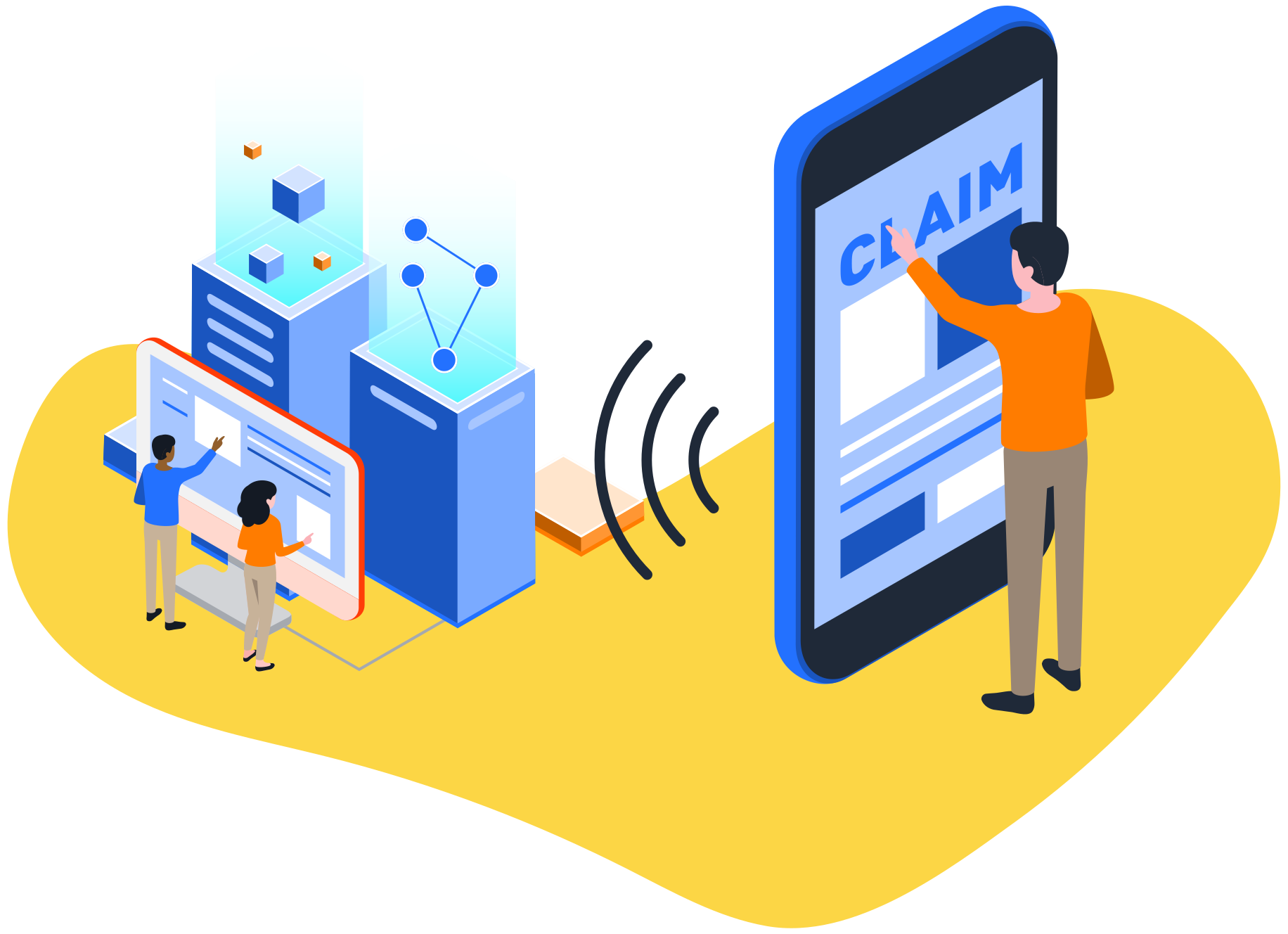
Illustration of people working server and making claims on devices
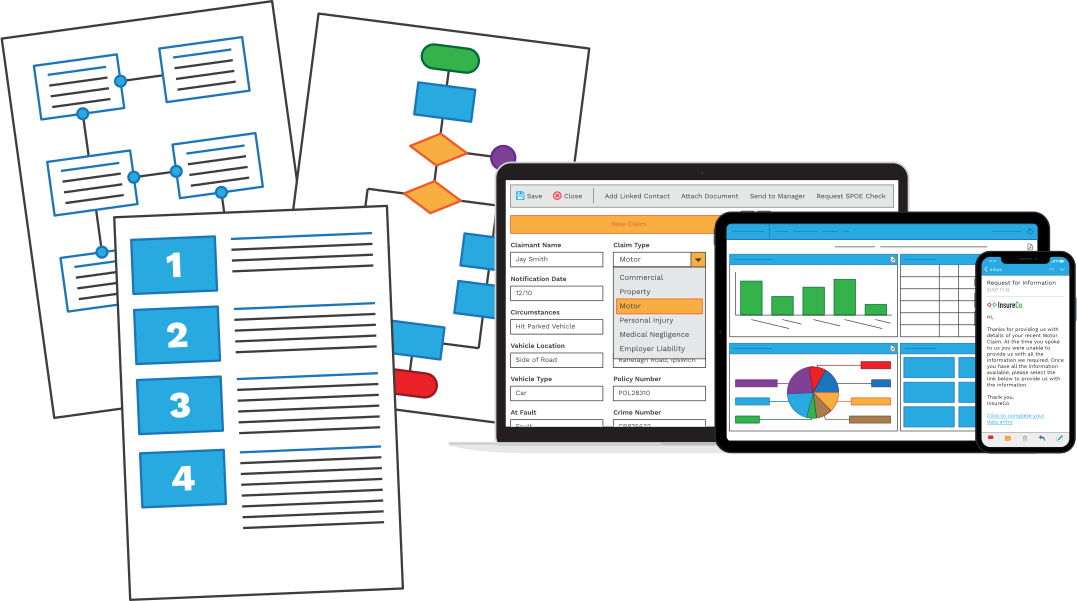
Illustration of product specification on sheets of paper beside software mock ups on screens

“Process Modelling”

This first step is an essential part of moving to a digital organisation. We work with companies to gather requirements and map out the processes that will be built into their system.

“Product Design”

Our low code technology platform is comprised of all the key parts needed for a high-volume insurance platform. This allows MIC to configure each Partner build purposefully to deliver fast, scalable, secure, insurance services.

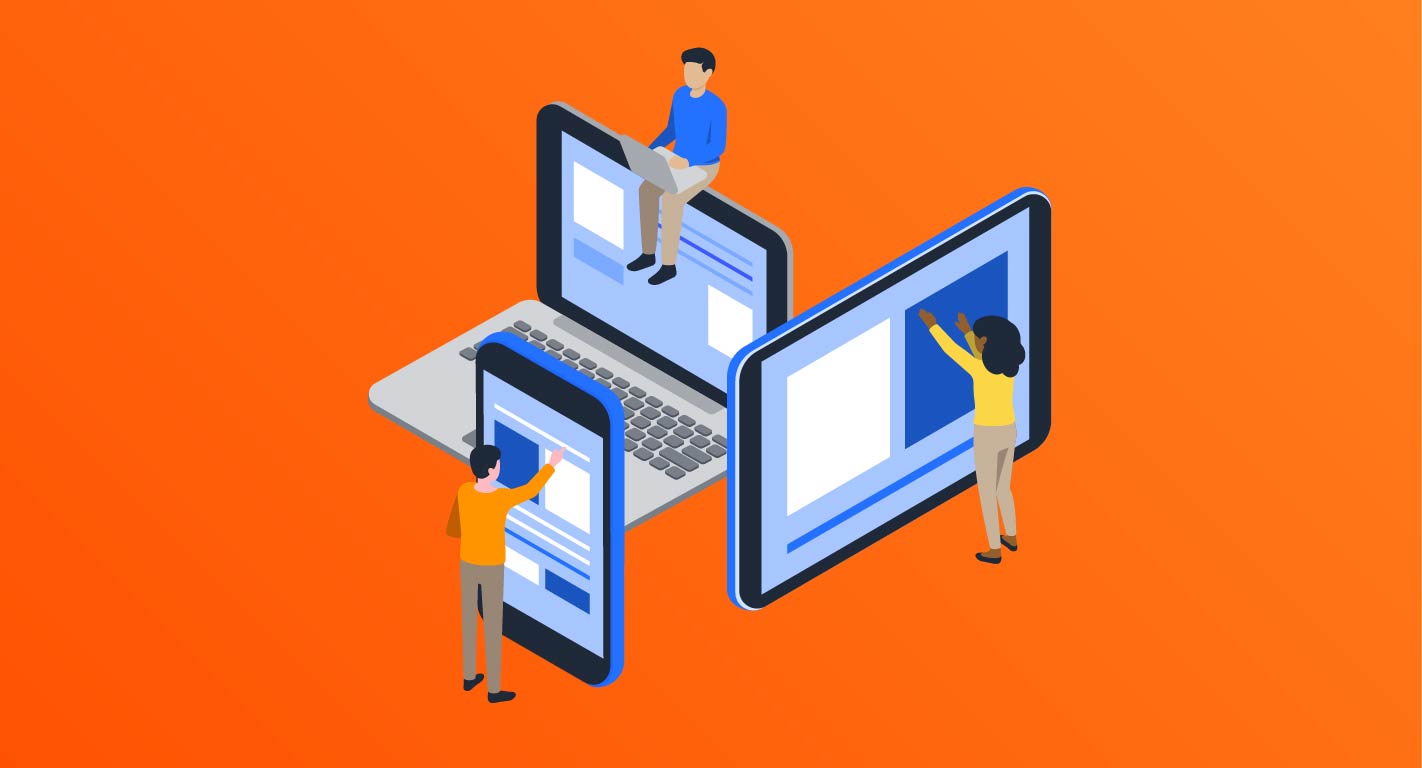
Illustration of tiny people working on devices
Illustration of cloud with servers inside

“Cloud Hosting”

Once configured, applications and APIs are deployed to the cloud, allowing for reliable speed and connections without the need for on-site servers.

“Machine Learning” &
“Advanced Automation”

Our low code technology comes with machine learning capability built-in. As activities are performed, our machine learns and is able to automate parts of the process, freeing up valuable resource to focus on other parts of the process.

Illustration of head shape with cogs forming a brain

Let’s Talk

We’d love to hear about your business and your needs. Contact us to see how we can help you increase revenue and improve KPIs by using embedded microinsurance products to attract and retain customers and service providers.

Let’s Grow Together

Explore Our Demo

In The Press

What do we mean? : Full Stack

07.10.2022
Insurtech Micro Insurance
blog fullstack

MIC Global is a Full Stack Digital Insurance Company. Let’s take a deep dive into what Full Stack microinsurance means for MIC…

“Full Stack”

We are InsureTech 2.0 – a complete digital offering including product design, underwriting, global fulfillment, customer journey, and claims, all enabled by our low-code tech platform.

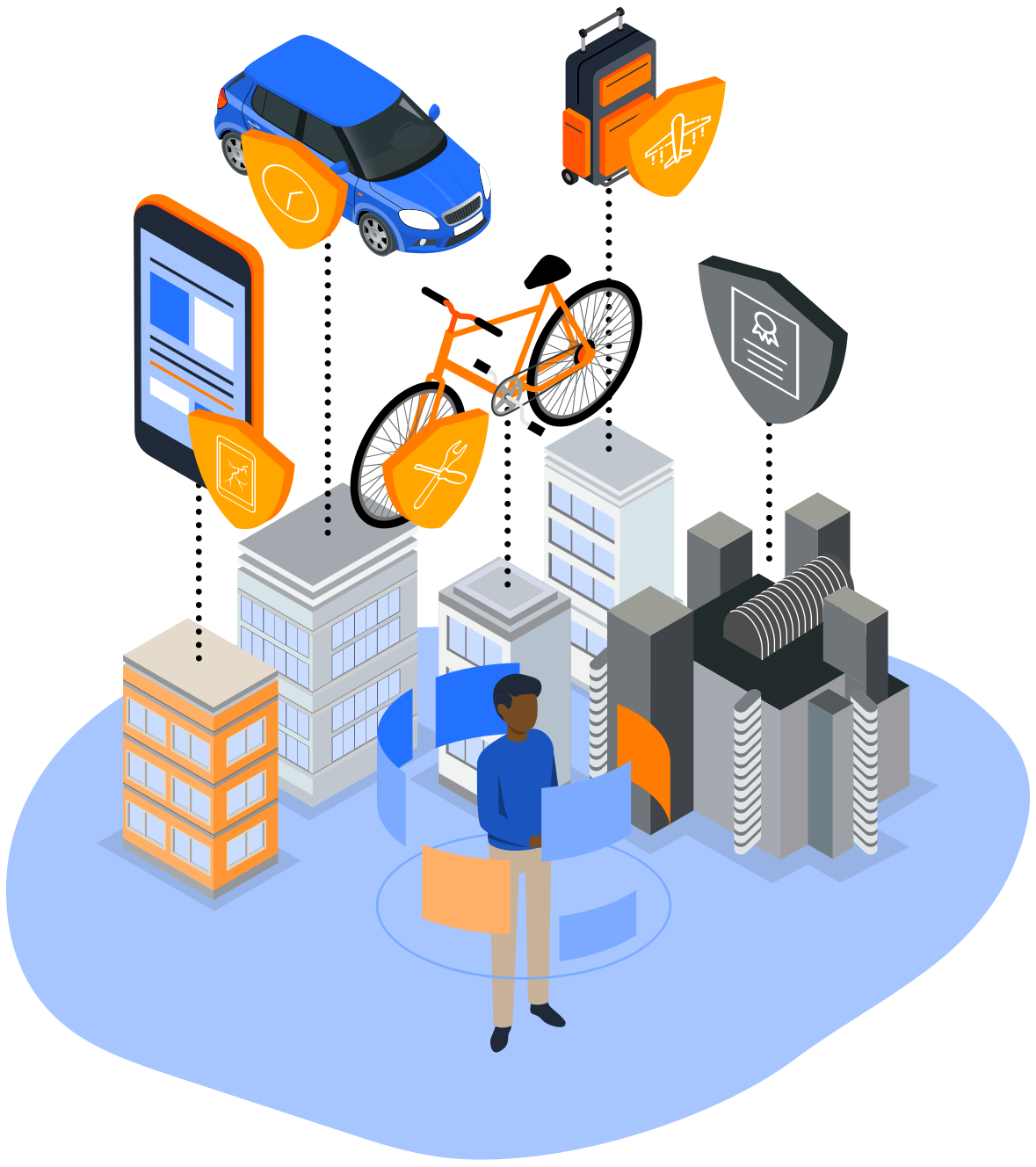
Illustration of person working console with insurance examples
Illustration of tiny people working on devices

“Product Design”

Our low code technology platform is comprised of all the key parts needed for a high-volume insurance platform. This allows MIC to configure each Partner build purposefully to deliver fast, scalable, secure, insurance services.

“Underwriting”

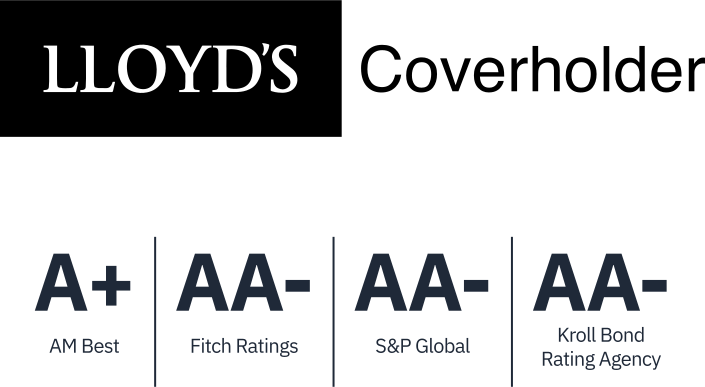
As a Coverholder of Lloyd’s, MIC Global are able to both offer A rated carrier products globally and underwrite the risk with full stack microinsurance.

Lloyd's Coverholder logo above Lloyd's of London ratings
Illustration of globe

“Global Fulfillment”

With 115 employees and operations in 17 countries and growing, all bound by a mission to make simple and relevant insurance accessible to people and businesses throughout the world.

“Customer Journey”

Insurance can be stressful, which is why we endeavour to make the process as simple as possible. From purchase to claim to payment, people know that they are covered and will have money in their pocket for recovery should the worse happen.

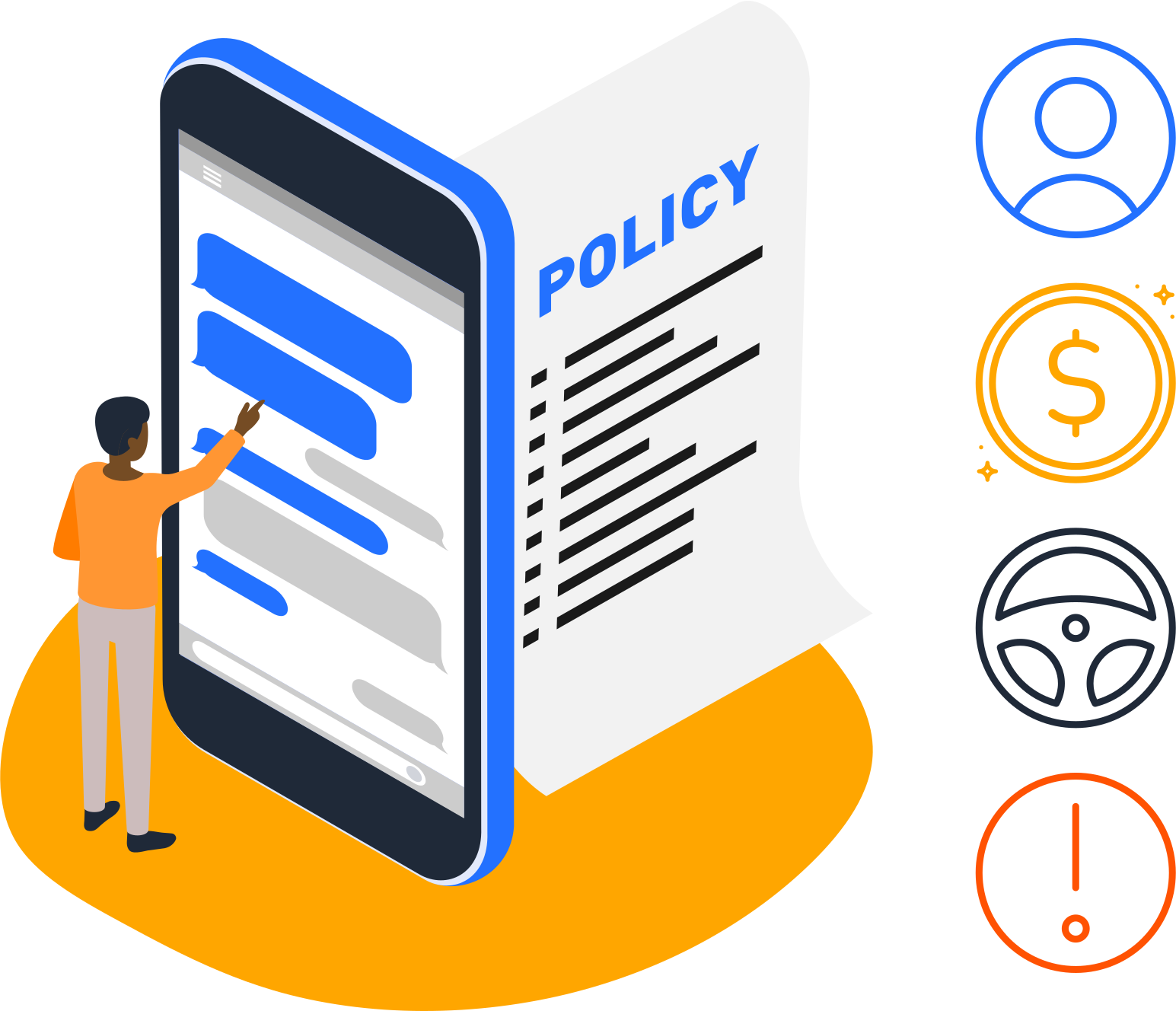
Illustration of tiny person sending messages on mobile phone
Illustration of tiny person holding doorbell device surrounded by various claims

“Claims”

Once a claim is raised, our machine learning powered digital claims process progresses the claim, calling in real-world back up where necessary. And the more claims handled, the smarter our machine becomes. All monitored with real-time dashboards so businesses can keep track of all the data relevant to them.


Let’s Talk

We’d love to hear about your business and your needs. Contact us to see how we can help you increase revenue and improve KPIs by using embedded microinsurance products to attract and retain customers and service providers.

Let’s Grow Together

Explore Our Demo

In The Press

What do we mean? : Coverage

07.08.2022
Insurtech Micro Insurance Underwriting
blog coverage

As a Coverholder of Lloyd’s, alongside MIC Re, we are able to provide underwriting for our own microinsurance coverages. So what does ‘Coverage’ mean here at MIC Global?

“Coverage”

Our coverage is there for when unfortunate events happen. We put money back in your customer’s pockets so they can quickly return to living their lives; whether it’s money to recover from water damage or giving your customers a lump sum payment towards unexpected medical bills as part of your credit card membership, embedded coverage benefits both our B2B customers and their customers alike.

Illustration of thief stealing package from front door
Illustration patient in hospital bed with nurse

Coverage is the amount of risk or liability covered by a policy or plan.

It looks different depending on the partnering business and what is being covered.

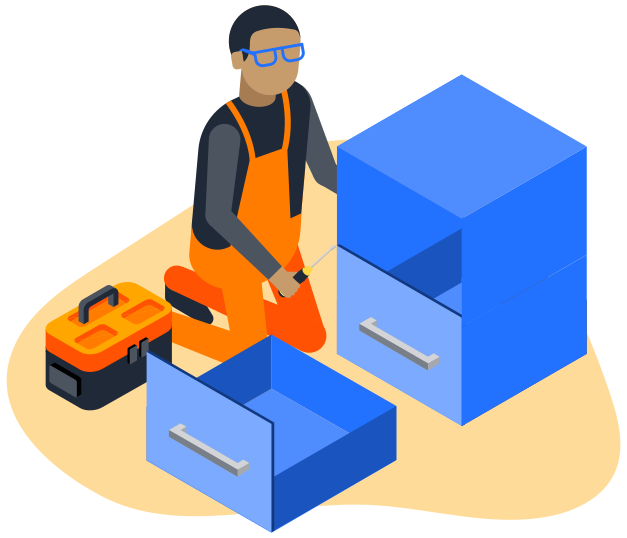
Illustration person building cabinet
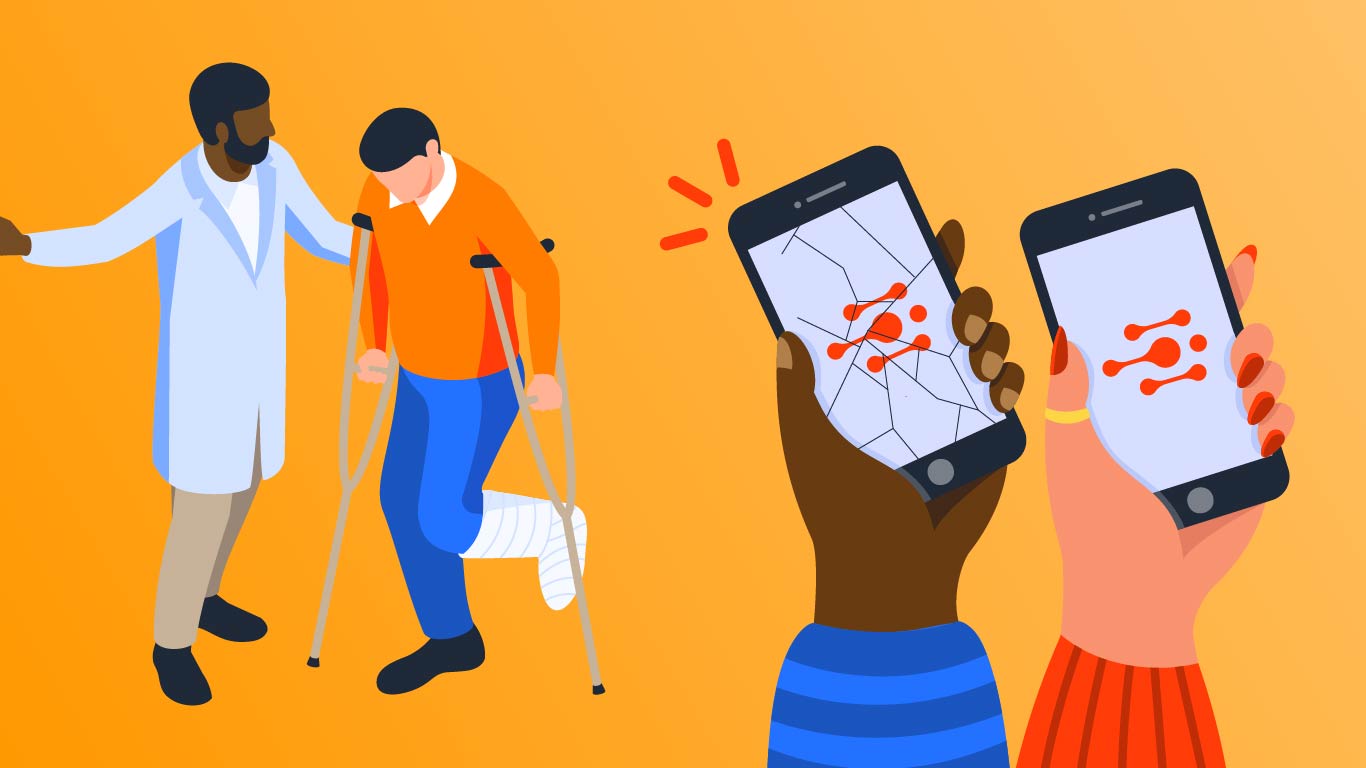
Illustration doctor with patient with bandaged leg

We work with our B2B partners to create innovative products and services that can be embedded seamlessly into their existing digital processes.

Embedded microinsurance allows platform businesses to offer additional value to their customers by providing relevant and easy-to-understand coverage at the exact time they need it.

Illustration Two mobile phones, one with cracked screen
Illustration of people working server and making claims on devices

We put money in people’s pockets by helping our platform partners support their customers. Our coverages are handled with our low-code technology, which includes advanced machine learning algorithms to speed up the claims process, getting people paid fast so that they can focus on recovery.


Let’s Talk

We’d love to hear about your business and your needs. Contact us to see how we can help you increase revenue and improve KPIs by using embedded microinsurance products to attract and retain customers and service providers.

Let’s Grow Together

Explore Our Demo

In The Press

What do we mean? : Embedded

07.04.2022
Insurtech Micro Insurance
blog embed

We talk a lot about embedded coverage and microinsurance, and rightly so – it’s one of the things we do best! In the second part of our series, let’s take a look at what ‘Embedded’ microinsurance means for MIC Global, and what benefits can it bring your company…

“Embedded” microinsurance

Our products are included with a device or service, such as a smart doorbell. This increases sales by differentiating your product and adds stickiness to subscription models.

Illustration of person holding smart doorbell
Illustration person delivering food on moped

Our embedded microinsurances add-on products for customers making purchases of items or services from companies and platforms.

Products are offered at the most applicable time. This could be during the booking process for a taxi service, or set up process of an IoT device.

Illustration car with mobile phone offering embedded microinsurance
Illustration of thief stealing package from front door

Embedded microinsurances offers coverage from risk at the most relevant time and can be triggered when events happen, for example when a booked taxi arrives late or a package is stolen.

For platform companies, including embedded microinsurance in their product or service provides an additional revenue stream and adds value for your customer base.

Illustration upward trend on graph with person leaving 5 star review
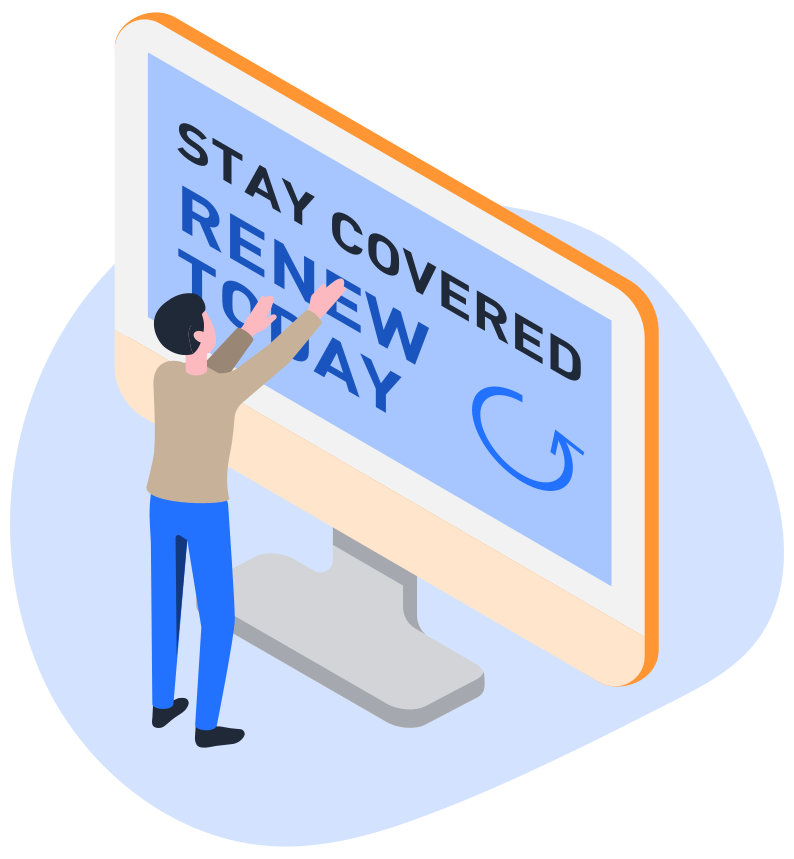
Illustration tiny person standing next to screen with renew message

When embedded with subscription models, customers are encouraged to keep their subscriptions to retain the benefits of their coverage.


Let’s Talk

We’d love to hear about your business and your needs. Contact us to see how we can help you increase revenue and improve KPIs by using embedded microinsurance products to attract and retain customers and service providers.

Let’s Grow Together

Explore Our Demo

In The Press

Embedded Coverage for Today’s Digital World from MIC Global

06.27.2022
Insurtech Micro Insurance Underwriting
blog embedded

Allow us to re-introduce ourselves, we are MIC Global – we are a full-stack, digital-first insurance company, working with B2B organisations on embedded coverage products and solutions.

This is what we do and who we are, but what does it all mean? In the first of a new series, let’s break down our offering…

“Embedded”

Our embedded coverage products are included with a device or service, such as a smart doorbell. This increases sales by differentiating your product and adds stickiness to subscription models.

Read more about our definition of Embedded

Illustration of person holding smart doorbell with embedded coverage
Illustration of thief stealing package from front door with an embedded coverage doorbell

“Coverage”

Our embedded coverage is there for when life happens. We put money in people’s pockets through our platform partners, so people can concentrate on recovery; whether that’s replacing a stolen package or getting back on their feet after disaster strikes.

Read more about our definition of Coverage

“Full Stack”

We are InsureTech 2.0 – a complete digital offering including product design, underwriting, customer journey, global fulfillment, and claims, all enabled by our low-code tech platform.

Read more about our definition of Full Stack

Illustration of person working console with insurance examples
Illustration of people working server and making claims on devices

“Digital”

Our digital-first approach utilises our low-code technologies with advanced automation and machine learning capabilities, so we are able to process and pay benefits faster than ever.

Read more about our definition of Digital


Let’s Talk

We’d love to hear about your business and your needs. Contact us to see how we can help you increase revenue and improve KPIs by using embedded insurance products to attract and retain customers and service providers.

Let’s Grow Together

Explore Our Demo

In The Press

How MIC Global Drives Value for Our B2B Partners

06.24.2022
Insurtech Micro Insurance
Artboard

Do you currently offer insurance as an add-on to your customers? It might not be something you’ve ever considered before. However, insurance provides a reliable additional revenue stream for your B2B business, while also maximizing value for your existing customer base. It may also differentiate you from competitors.   

Not only can you drive up revenue through premiums being paid every month, but your customer also wins with cheap cover* for unfortunate eventualities. You can even get creative: a refund for rain whilst in Barbados, compensation for a taxi driver getting lost (causing a delay), or cover offered with the sale of a smart doorbell device for when parcels get stolen off the front porch.  

So why isn’t every company offering insurance with their existing product or service? Well, such insurance can be a massively complex, time-consuming project. The necessary licenses must be obtained, underwriters hired, and approval granted. Thus, many companies decide not to bother, and consequently miss out. 

At MIC Global, we are a full stack company that takes on all that heavy work for you, making it incredibly simple to deliver an innovative embedded insurance product to your customers, without having to alter your systems or adapt your processes. We are hyper focused on the seamless integration of the added insurance product as well, to ensure it does not interrupt the flow of your customers’ checkout journey. Let us worry about solving all the complexity, removing the friction, and providing the smoothest, low-cost, and quick-to-market products possible for your customers. 

Here is how we add value to your B2B business: 

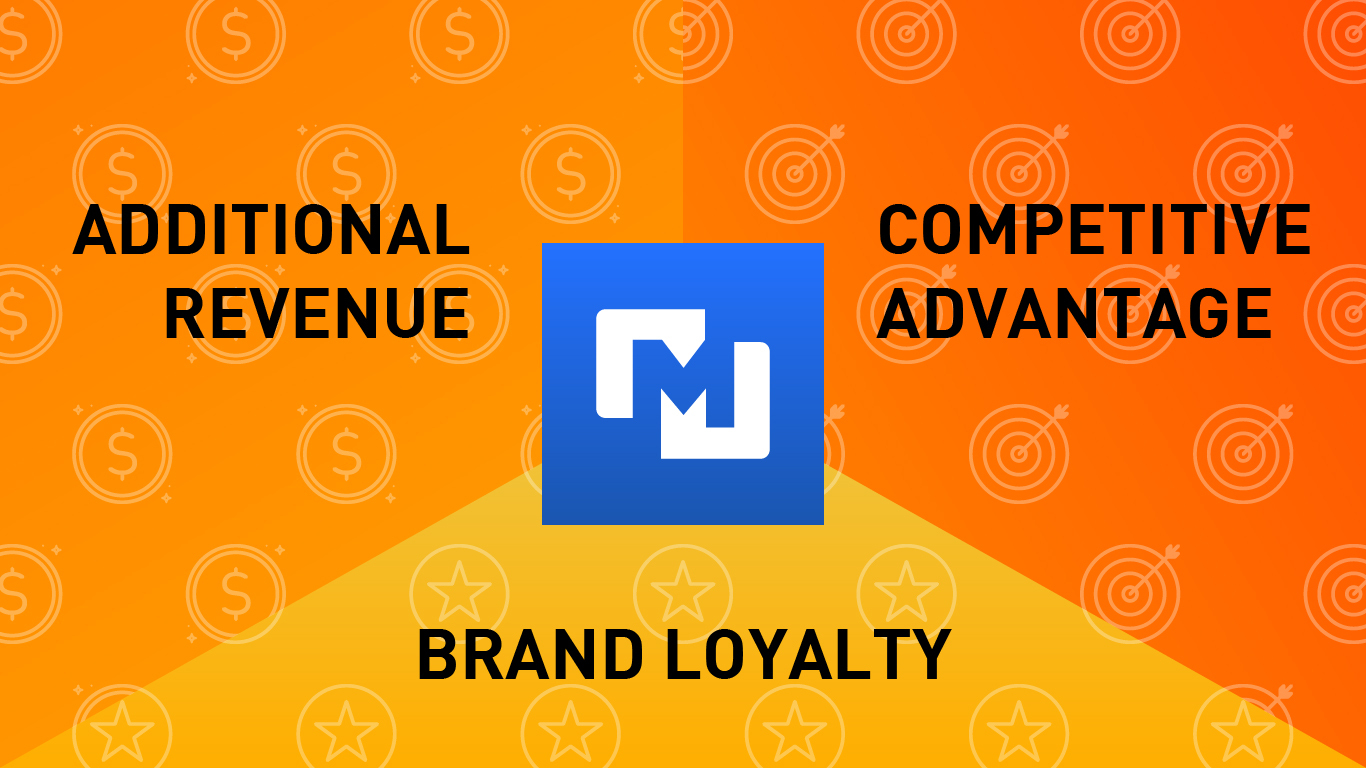
  1. Additional revenue – By adding our policy alongside your product, you can drive additional revenue by either increasing the overall price of your product, or charging an additional monthly fee to cover the policy. 
  1. Competitive advantage – Our policies offer a value-add proposition that can make you stand apart from competitors in a crowded market. By offering your product with added protection at the same or a slightly increased price, customers are more likely to choose you. Worried others may do the same? We guarantee that we can create an innovative policy, turn it around and get it to market before your competitors think of it first. And by the time they do, your company will have already gained brand loyalty in your market. 
  1. Brand loyalty – In today’s volatile market, your customers want to feel protected. Having insurance policies embedded into the product or service you offer will mean customers are more likely to stay loyal. Not only does this benefit you, but it also encourages a two-way trusting relationship. By offering your customers embedded cover, they will feel like their best interests are at the forefront of your mind, and begin to associate your brand with feeling taken care of. Over time, your customers will feel a stronger attachment to your brand and will be more likely to choose you again in the future. 

Could you do this yourself? The short answer is technically you could. However, take our word for it, you don’t want to. We have spent a decade perfecting this process, and building the technology and team needed in order to cut out the time and complexities for our B2B partners. We combine cutting edge technology with precise customization to tailor the right kind of embedded solution for each company we partner with. 

To run an insurance company, you must set up legal structures, licenses, technology, and a team with the ability to develop price and service products. This requires time, people, skills and lots of capital and money. Typically, capabilities are run by different businesses in the value chain, which is what makes it so difficult to pull them all together.  

In insurance, speed is a serious advantage. While you could create your own insurance product, in order to gain a true advantage you would need to do so before your competitors. Fortunately, we are known for our pioneering speed, and can put new products in place fast enough to ensure a competitive advantage.  

As such, MIC Global brings all of the complexities of insurance together under one offering. This is what we mean by “full stack”. Our agile and quick-to-market underwriting capacity, product development, technology and end-to-end administration enables seamless insurance integrations.

Put simply, leave it up to us to bring added value, additional revenue, and increased customer loyalty through embedded insurance products and services for B2B partners. Get in touch with us and let’s start innovating today!

*2023 average monthly premium US$7.69, MIC Global s5183 policies

Let’s Grow Together

Explore Our Demo

In The Press

The Brilliance of the Micro

03.11.2022
Insurance Industry Micro Insurance
BrillianceMicroSteps

The MIC within MIC Global stands for Micro Insurance Company. But dispel all your preconceptions about what ‘micro insurance’ means, because we do it a little differently here.

Traditionally, the definition of micro insurance is: “Coverage offered to low-income households or individuals who have little savings.”

However, at MIC Global, micro insurance is about small periods, policies, events, and journeys. ‘Micro’ does not relate to the wealth of our customers, the size of the market, or the scale of the opportunity. Micro is about policies that are simple, uncomplicated, and broken down for a specific need (most of the time.) Our policies are also usually embedded within the specific product or services you are looking to protect risks with.

Our belief in the power of the micro goes way beyond what we do but how we do it. It’s engrained within our culture and the way we work. 

You see, we set audacious goals at this company, but our approach to achieving those goals is all about taking micro actionable steps everyday.

A concept we like to model after is the Kaizen- based approach to improvement. If you’re not familiar with it, the Kaizen method is about aiming for 1 percent improvement today, another 1 percent improvement tomorrow, and so on. As Kaizen puts it, “Becoming 1 percent better every day is a simple, practical way to achieve big goals.”

We understand that the micro leads to the macro. It’s also the reason why we have a mix of the Yin and the Yang on our team; the big-picture thinkers and ideators who are planning 5 years ahead; and the strategists and process implementers who are figuring out the daily steps needed to get there.

The micro is about laying down bricks everyday in order to build a strong foundation for the future.

Think about it this way: let’s say you go to the gym today, and you workout and you come back and you look in the mirror. What do you see? NOTHING. If you go to the gym again tomorrow and you come back, and you look in the mirror, you will still see nothing. At this point, some people will think, “well clearly there’s no results because it can’t be measured and thus, it must not be effective.” And so they quit.

However, It’s not about the exercises, and it’s not about the intensity… it’s about consistency.

It’s the consistency of these actions that yields results.

That’s why we search for people to join our team who are disciplined. It’s not enough to be motivated because most people don’t wake up motivated every single day. It’s about discipline and remembering the vision we’re working towards. Being able to put our heads down and get it done even on the days we really don’t feel like it.

We know our current life is the result of our previous choices, just as our future reality will be the result of the decisions we make today.

So that’s why we focus on the Micro.

We know that creating micro insurance policies that our customers actually want and need is making a massive impact – it’s providing millions of people with access to a safety net they need. We also know that it’s our daily micro achievements as a team that continues to push us towards our ultimate vision.

For all these reasons and more, you could say we’re a little obsessed with the micro.

Let’s Grow Together

Explore Our Demo

In The Press

Microinsurance by MIC Global

07.02.2019
Micro Insurance
blog microinsurance cyclist

The generally accepted definition of microinsurance is the protection of low-income people (those living on between approximately $1 and $4 per day) against specific perils in exchange for regular premium payment proportionate to the likelihood and cost of the risks involved

This definition seems to focus on one Target Market – the low income peoples of the world. This target market does not typically buy insurance and are generally ignored by main-stream insurance companies.

Here at MIC Global we do not really like this definition, why pick on a population with a particular insurance sector?

We prefer a wider more inclusive definition of microinsurance, one that allows products to be developed, sold globally, works in the new sharing economy and includes solutions for many of the issues surrounding selling, distributing and managing microinsurance policies and schemes. Products that cover all populations based on their specific needs.


Why I started MIC – Harry Croydon, CoFounder, President and COO


The problem with the accepted definition for microinsurance is that it is exactly the same as one might apply for regular insurance except its aimed at low income people. I.e. Insurance is the protection of people/businesses against specific perils in exchange for regular premium payment proportionate to the likelihood and cost of the risks involved

I guess the general insurance industry could not bring itself to call it Low Income Insurance, like they do for High Net Worth Insurance so the term microinsurance was adopted.

Anyway we are getting away from the point.

Microinsurance has many challenges and these challenges are not just issues surrounding products for low income families. Just like the definition for microinsurance is the same for any insurance, so are the challenges for any insurance product when faced with high volume sales and policies, new business models like the sharing economy and platform businesses.

Today’s insurance industry is not very well geared up to deal with high volume sales and claims. The nearest you get to high volume is car insurance and in terms of microinsurance, these volumes are very small.

Here at MIC Global we see that the investment of resources needed to solve the challenges of microinsurance can be used globally for insurance policies that are simply small, micro. That can be used by everyone. Policies that match user and policy.

Typically insurance policies are complex and expensive. Insurance companies must like these as they sell millions of $$ of them each year.

We look at insurance the other way. We think of making insurance simple, event driven and the policy value small. Covering events that might last for a journey, a purchase, a short period, a job etc, hopefully you get the point – rather than buying for a year or month etc, cover the event instead.

Simple. Tech Based. High Volume. Embedded. Transactional.

Simple

Insurance policies are generally complicated – many insurance TV adverts point this out, focusing on saving money, making the process simple but hiding the complexity since people tend not to read ‘small print’. The industry has this issue in its DNA. They are contractual documents after all.

Microinsurance policies do not need to be complicated, times needs to be invested to simplify the whole process ensuring that policies are fully incorporated through the process – marketing, quoting, buying, renewal and on through to a claim.

Tech Based 

Leverage in the tech in your phone or on your PC to good effect. Linking the process such that the customer journey is well thought through and connected, end to end, right though the customer journey and the life of the policy. Processes are built with APIs and integration at the core of the tech to allow

High Volume

Insurance companies generally do not like high volumes of anything – especially claims. They simply are not geared up to deal with high volumes of customer contact for sales, queries, claims and complaints. They typically pass these tasks to others – Sales via aggregators or agents and brokers – Claims are passed to Third Party Administrators, specialist claims companies – Complaints are pushed overseas to keep costs down. Insurers and brokers split the process across many companies and struggle to have a complete view of the customer apart from financial performance and product based metrics.

To manage high volume required by microinsurance means owning and investing in the process and managing the transaction end to end. Entering data once and then straight through processing along the entire journey. This has the advantage that lots of data is collected and allows for better data usage and management which leads to improved process, more customer engagement and pricing.

Embedded

Rather than buying policies for Cars, Gadgets, Home etc more and more insurance will be embedded in the process and by your use the benefits of the insurance will be passed on to you. Home security and Home help devices could come with home insurance, electric cycles would be insured against damage and theft, App that allow you to use the cycles could have insurance added per KM and variable depending on if you are in the local park or on a busy road. IoT devices for crops could come with insurance that monitors the crop and the rate varied depending upon the actions of the farmer and the weather.

Transactional 

Insurance does not have to be on an annual basis. The current process is to some extent driven by the inability for insurers to manage volume and customer engagement, it’s cheaper and easier to manage once per year rather than 12 times a year or on each usage – say 1,000 times a year. Imagine if car insurance was all usage based? This would be fair; the way insurance is managed would be very different. This is the world of transactional insurance – insurance when you want it and no more. High volume, small value insurance policies based on the transaction. Managing the policy life cycle, monitoring and claims fully automatically and on a transactional basis. Microinsurance based on activities and usage. The distribution model and commissions for brokers, agents and partners all built into the process and a transparent claims process that has clear triggers for payment. Examples of this is parametric insurance for travel, hurricane and agriculture.


At MIC Global we are focused on changing the way business insurance is developed and processed. We are insurance with an API. We are in the forefront of that change; developing policies by the season, job, by the hour, by the day and by the KM, thus fitting our model to that of the platforms and the way small and micro businesses see risk. We are unbundling business policies so that the cover offered fits with peoples and business needs or the actual job or process being undertaken. Making Business Insurance transactional.

Interested in working with MIC Global? Check out our Careers page.

Let’s Grow Together

Explore Our Demo

In The Press

Why Microinsurance?

11.12.2018
Micro Insurance
blog whymi

You can make a difference and make the world a better place. This is what we are here for.

Many people have some doubts whether this statement applies to their jobs.

I have a belief in insurance and in particular microinsurance. In the insurance industry we make a big difference. We enable people to do things that otherwise they would not. Travel? Trade? Make Movies? Take out Loans large and small? To TRUST others? This is what insurance enables.

What could be more important than providing insurance to help someone rebuild their life after a catastrophe —and then in particular, if they are already low-income and vulnerable? This is why I am in insurance, why I believe in microinsurance – microinsurance has the capability to allow people to rebuild after a catastrophe.

Experts agree that increased insurance penetration — including for life, health, property, and livelihoods — supports growth and development, and can protect the most vulnerable. This is where micro insurance can play an important role.

If your clients don’t know about their insurance product, does it even exist?

Is anyone buying Insurance?

One big difference between developing and developed countries is in the level of insurance the populations buy. In the U.S., 2.5 times more insurance is sold than Asia and 4.5 times than in Africa. Why is this? One BIG reason is that almost half of the entire world population is living on under $5.50 per day. So its not surprising that buying standard insurance may not be too important to these people.

Most of the insurance purchased is focused on Life and Accident cover. Property and agriculture cover is purchase is still very low. When a catastrophise hits and devastates property and farms there is limited to no response in developing countries from insurance because there is very limited cover purchased.

Swiss Re (who identifies emerging markets as countries in South and East Asia, Latin America and the Caribbean, Central and Eastern Europe, Africa, the Middle East (excluding Israel), Central Asia, and Turkey) says emerging market premiums rose to $1.1 trillion in 2017 from $939.5 billion in 2016, driven by a strong increase in the life sector. Life sector premiums grew 13.8 percent in 2017, after inflation, compared with 17.1 percent in 2016. Nonlife sector premiums saw 6.1 percent growth in 2017, adjusted for inflation, down from 9.8 percent in 2016.

In India, with around 57 life and non-life insurance companies, has seen a substantial growth. But there has always been a complaint that the products are very generic with a high premium. A generic product gives the broadest coverage but confuses customers with a lot of exceptions and disclaimers. By making it broad-based and expensive, insurance companies also lose out on price-sensitive customers with specific needs.

And yet these people in the ‘developing’ world are the most vulnerable and are the most likely to be devastated by a natural disaster. Small shop owners and farmers are most at risk, as an event can put them back years and deprive them of the limited assets they have and basic necessities.

The microinsurance sector has experienced persistent growth in client outreach and premium volumes over the past ten years. Today, nearly 300 million low-income citizens in developing countries are covered by an insurance policy. New technologies are boosting market coverage. In Asia alone, the number of people insured through mobile phones exceeds 40 million.

Nonetheless, many people are still without cover or alternative risk management options. With the global middle class expected to grow to nearly five billion within two decades, we are looking at billions of people who are without a formal safety net from insurance and hence at risk of falling back into poverty as events take hold.

We now need to respond to this situation by understanding the role of insurance for sustainable development, improving supply, heightening the awareness of insurance, creating the right regulatory framework and better understanding the particular needs of the low-income population is the main focus.

What are and have been the barriers to providing insurance? Tradition insurance products in the developed world are complicated; expensive to obtain; not efficient; sold through a network of professionals; serves contractual norms.

Microinsurance products need to be the opposite of this – from the ground up they need to be designed differently, designed to be fit for purpose, designed for the new users that are in the developing world.

The MicroInsurance Centre promotes the need for “SUAVE” (simple, understood, accessible, valuable and efficient) design.

  • Simple: The products need to be simple in benefit structure and have few to no exclusions. Benefits are often a fixed amount.
  • Understood: If people don’t understand the product, they won’t buy it. Most of the microinsurance target market are first-time insurance buyers.
  • Accessible: Sales need to happen through channels that reach low-income people where they are, such as cooperatives, input suppliers, microfinance banks, or simple mobile phones.
  • Valuable: Products need to provide clear value both for clients and for insurers.
  • Efficient: A low-income target client has a lower ability to pay premiums. In order for products to be affordable, it’s critical that processes be efficient and low-cost. This often results in low policy limits. It is important that claims are paid quickly.

Some Examples of Microinsurance

  1. Time-based constraints: A time-based insurance product assumes that a customer is exposed to an equal level of risk over the entire year. Example, if a car stays in a garage for 100 days in a year, why should a customer buy own-damage insurance for the entire 365 days of the year? A microinsurance product that tracks the ‘usage’ of an asset will be much more useful to customers.
  2. Event-based coverage: Customers are more open to buying insurance before they engage in a specific event. Example, a customer might be interested in looking at a personal accident cover before she goes on a long weekend drive. Once the event is completed, her perception of risk drops significantly and so does the perceived need. Designing ‘micro insurance’ products that specifically cover an event risk reduces the price for the event (i.e. not a year) and increases acceptability among customers.
  3. Need-based coverage: Insuring your entire home might not make sense while insuring your white goods and TV might. Similarly buying a broad-based health insurance might not be valuable for youngsters but buying a broken-bones insurance might be. Identifying the specific need to the specific profile of customers reduces the cost of insurance.

Microinsurance is focused on property-casualty products

MIC Global is focused on building products globally for both developed and developing worlds. We are using the technology and investment in designing process and systems to the benefit of both parts of the world. We believe that this is where data and tech can be of great benefit. Insurance is changing.

Protecting assets. Protecting businesses. Some examples of insurance types is as follows:

  • Property Insurance. Hurricane and Earthquake cover. For example, after Typhoon Haiyan in the Philippines in 2013, more than 110,000 low-income Filipinos received non-life microinsurance claims pay-outs totalling more than $12 million to help them rebuild after the disaster.
  • Crop Insurance. Due to the linkage with larger development goals such as food security, a significant amount of funding and resources is being directed to developing, piloting and scaling up both index-based and indemnity-based crop insurance for smallholder farmers. Allianz protects small farms in Burkina Faso and Mali, covering outstanding corn or cotton loans if rainfall is insufficient for proper growth of crops, with pay-outs triggered automatically based on an index.
  • Livestock Insurance. Like crops, livestock represents a key source of food and income in many developing markets. Local insurance companies in Kenya provide index insurance to pastoralists, based on assessments of grazing conditions made by satellites measuring the colour of the ground. The product is designed to pay in time to keep livestock from dying, and it is supported by the Kenyan Government, World Bank, International Livestock Research Institute and Swiss Re.

Technology

Innovative technology applications play an important role in microinsurance. Mobile network operators are providing coverage to 40 million people in Asia, where nine times out of ten, mobile microinsurance is a person’s first experience with insurance.

Data Analytics, API’s, AI, Machine Learning and Internet of Things (IoT) are all starting to play a role. The ability to design automatic or semi-automatic insurance policies can now be considered. Parametric insurance products have been around for a while and these are now possible to be considered. Known limits and capabilities and events all come in to play. The insurance is purchased for an event – the event is monitored – the payout is made if certain limits or triggers are breached.

A policy for farmers might be based on the amount of damage a certain kind of crop would be likely to sustain in a given area in specific conditions. When conditions reach the trigger point, for example, 100-mile an hours winds in a specific location or a defined amount of rainfall, policyholders in the designated area automatically receive compensation.

By not having to rely on individual claims adjusters to inspect damages and decide the amount of losses, claims can be settled quickly, thus allowing claimants fast access to funds that they might need to keep their business going.

These processes and new skills allow the cost of insurance to be made much more efficient. The efficiency is the key. Traditionally the cost of distribution and cost of claims processes keeps insurance as a expensive luxury. Reduce these costs to small % and suddenly new products can be designed and promoted.

These are all new skills and processes that insurers need to learn and build into their models. New Insurtech companies are heling this process and some are focused on micro insurance and the emerging ‘sharing’ economy.

Why microinsurance is the Future

Moving ahead, microinsurance is not only going to benefit the low-income strata. Companies involved in offering micro plans can equally capitalise on the new insurance model. Currently, India accounts for nearly 65% of Asia’s microinsurance market. This directly points microinsurance sector towards its key profitability which is based upon ‘Low margin – High volume’ revenue model. Large volumes of micro-policies mean more business for the company. Selling larger volumes of microinsurance plans results in increased revenue and scalability.

To summarize, there is immense potential to bring innovative insurance products that leverage technology.

Now, imagine that you are a small shop owner in an area after a severe flood – maybe in India or after a Huricane. Prior to the flood your business earnt you about $6 a day of income, and you are in the process of paying back a $500 microloan that you got to purchase your inventory for the season.

The flood resulted in a need to close the shop for repairs, slowed customers coming by and the inventory was generally spoiled. What to do? You have no money coming in from the shop, you are now faced with having to sell other assest such as your cow (your other source of income from selling milk and calves) or to stop sending your children to school so that you can pay the loan.

This scenario puts you in a worse position, not only have you lost income you still have fixed costs with no way to pay them. You are again sent below the poverty line – failure to pay the load also puts bad rating on you. But what if you had had an insurance product that specifically addressed your needs? Microinsurance is designed to do that.

Microinsurance specifically addresses the risks that low-income people face globally.

Examples in the market place

Crop insurance programmes are structured to support different types of losses. Damage-based indemnity insurance is calculated by measuring the percentage of damage in the field soon after the damage occurs. Yield-based crop insurance allows the farmer to insure a percentage of their average yield; if the actual yield is less than the insured yield, a pay-out is awarded. Crop revenue insurance guarantees the farmer a certain level of revenue from the insured crop. This insurance protects the farmer from shortfalls in the yield and also from market price fluctuations.

In developed countries agricultural insurance schemes are often large in scale covering thousands if not millions of mostly large-scale farmers. A critical factor is the cost of insurance provision. Insurers have to accurately assess the risks and measure the damage while at the same time providing farmers with affordable insurance premiums.

Unless these conditions are met the insurance scheme is likely to be unsustainable. Recently a number of pilot projects that offer ‘micro-insurance’ have emerged. Generally, micro-insurance targets low-income smallholder farmers, with limited or no previous exposure to insurance and is based on an observable index.

Index-based insurance is calculated by measures provided by meteorological stations, satellite data, or regional-level yield data. The general characteristics of index-based livestock insurance programmes are similar to those for weather and area yield. In 2008, fewer than 80,000 farmers benefitted from agricultural (crop and livestock) micro-insurance in Africa. By 2011, the number of agricultural policies has tripled, now reaching almost 240,000 farmers in 14 countries, representing US$6.61 million in premiums. For example, the Consultative Group for International Agricultural Research (CGIAR) Index-Based Livestock Insurance (IBLI) project uses forage measurements taken from satellites to identify seasonal forage availability. If forage falls below a certain level, pastoralists can use the pay-outs to buy extra feed, medicine for their livestock, or take other livelihood protection measures.

Insurance from MicroEnsure saved George Kamau Githome, who sells movies and hardware supplies from two wooden kiosks he owns in Mathare, one of Nairobi’s largest slums. The small-business owner’s stalls burnt down, leaving him with no source of income to support his two wives and 10 children. “I was crying,” Githome told Devex. “Now where will I start and how will I begin?”

“It struck me that all this great work going on in development was fantastic, but if we couldn’t put a safety net under people that stops them from falling back when inevitably bad things happen, then we’re all wasting our time.”

Richard Leftley, EVP Global Sales, MIC Global

Let’s Grow Together

Explore Our Demo

In The Press

What is Microinsurance?

09.23.2018
Micro Insurance
blog whatmi

We, MIC Global, have our own definition of ‘microinsurance’ and the following hopes to explain this.

Generally ‘microinsurance’ refers to providing insurance to low-income families in developing countries and continents. We like to offer a broader definition, this is where insurance products are developed to provide a specific coverage for a specific need or event. This generally results is a lower cost to customers for that event when compared to a monthly or annual cost for more traditional insurance.

Unlike generic products, microinsurance brings down the cost for consumers by putting in innovative constraints on ‘coverage’, ‘time’ or ‘usage’. The ability for companies to offer this insurance also needs innovation to reduce the cost of distribution, selling, managing and processing claims.

Typically, microinsurance makes use of tech and unconventional distribution channels. The claims processes are also managed via technology and through the design of the policy.

Some Examples of Microinsurance

  1. Time-based constraints: Retail insurance products are time-based and not usage-based. A time-based insurance product assumes that a customer is exposed to an equal level of risk over the entire year. For example – car insurance, normal car insurance averages out the risks across many users. However, if a car stays in a garage for 170 days a year and then only does 3,000 miles , why should a customer buy insurance for the entire 365 days of the year? A microinsurance product that tracks the ‘usage’ of an asset will be much more interesting and useful to customers.
  2. Event-based coverage: Customers are more open to buying insurance before they engage in a specific event. For example, personal accident cover based on usage and shared risk, for example before a long weekend drive. Why buy annual cover when you only travel (or assume greater risks) occasionally. Once the event is completed, the perceived need goes away. Designing ‘micro insurance’ products that specifically cover an event risk reduces the price and increases acceptability among customers.
  3. Need-based coverage: Insuring your entire home might not make sense while insuring your new gadgets like computers, white goods and phones might.
  4. Buying a broad-based health insurance might not be valuable for youngsters but buying a broken-bones insurance might be. Identifying the specific need to the specific profile of customers reduces the cost of insurance.

The key focus here is to bring the benefits of insurance to more people by developing products and processes to make these benefits to customer’s problems who cannot normally buy high premium insurance.

Microinsurance is growing and the model could be the next thing in countries like India where insurers offer low priced products to increase the ‘culture’ of buying insurance among youngsters.

As they say, insurance is a product where everyone knows the price but only a few understand the value. This is because typically insurance is purchased because you MUST – such as car insurance or home insurance linked to loans. Where as most of the worlds’ assets and events are simply not covered and this brings much distress to people when the worst happens. Insurance is meant to help people in their time of need. Microinsurance, owing to its focus and use of technology, can enable this.

It is an innovation at product level which is steadily attaining the attention of customers. Microinsurance plans are based on extremely low premium rates. Because of its affordability and specificity, more people can get the advantages of insurance.

Microinsurance is not only going to benefit the low-income strata. Companies involved in offering micro plans can equally capitalise on the new business models such as the platform businesses. These businesses are well represented in the sharing and gig economy and they have a need for insurance that is based on micro insurance process. Policies by the hour or Km or event are being developed to fit around this market.

This directly points microinsurance sector towards its key profitability which is based upon ‘Low margin – High volume’ revenue model. Large volumes of micro-policies mean more business for the company. Selling larger volumes of microinsurance plans results in increased revenue and scalability.

The ability to gain profit will be the ability to process sales and claims very efficiently.

Let’s Grow Together

Explore Our Demo