In The Press

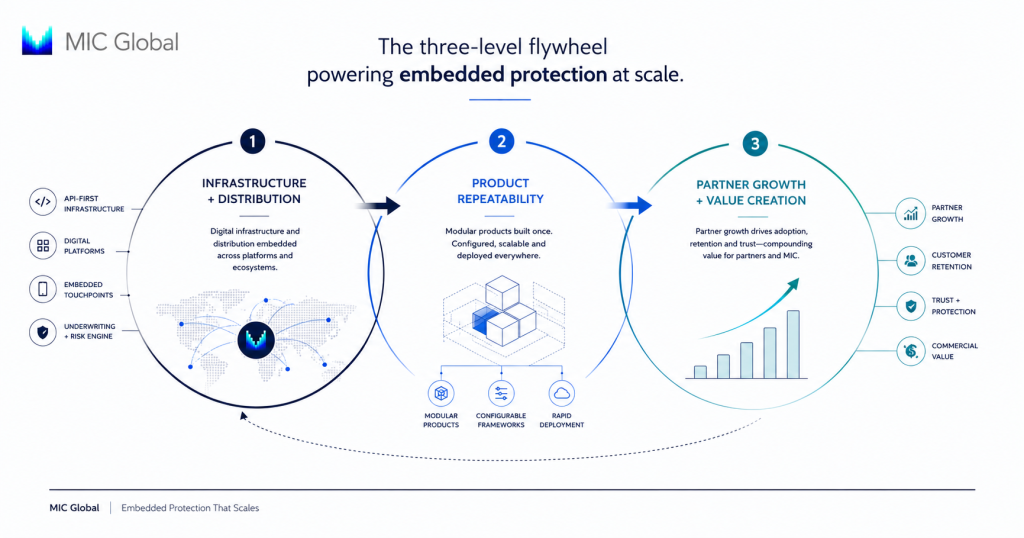
The Three-Level Insurance Flywheel

05.28.2026
Insurance Industry Micro Insurance Press Release Thought Leadership
the-three-level-insurance-flywheel

Why MIC Global’s growth model compounds instead of plateaus 

By Harry Croydon, Co-Founder, President & COO.MIC Global

Most insurance companies run on a pipeline. Leads come in, policies go out, renewals follow. Growth is a function of headcount, marketing spend, and distribution relationships — all of which cost money and plateau over time. The model works. But it does not compound. 

The problem with the pipeline 

Traditional insurance grows linearly. Add a salesperson, write more policies. Increase the marketing budget, generate more leads. The pipeline has no answer for the growth rates the best digital platforms post: fintechs doubling their user base in twelve months, gig economy operators crossing borders in a quarter. 

MIC Global was built to serve those platforms. To do that seriously, our growth model had to match theirs. The pipeline was never an option. 

The flywheel idea: why three levels

A flywheel is a growth model built on momentum. Each action adds energy to a spinning wheel. The heavier and faster it turns, the less effort each subsequent push requires. Amazon mapped this principle in its earliest shareholder letters: more customers attract more sellers, more sellers attract more customers, lower costs from scale attract more of both. The wheel becomes self-reinforcing. 

Most businesses that adopt a flywheel model operate at two levels. MIC Global operates at three. The third level is where the economics change.

Wheel one: capacity and partners

The first wheel connects our Lloyd’s Coverholder status and reinsurance relationships which is our underwriting backbone to a growing network of digital distribution partners: platforms, fintechs, lenders, and gig economy operators across the US and globally. 

The logic is direct. The more partners we add, the more data we accumulate. More data means better underwriting, faster product development, and sharper pricing. Better products attract more partners. The wheel starts turning. 

MiIncome™ is the engine here: embedded income protection designed to sit natively inside a partner’s platform. Not bolted on. Not a redirect. Protection felt as a product benefit, invisible as a policy. Partners including inDriveQICRhino, and ASNA are part of this wheel today, each adding momentum. 

One thing that keeps the first wheel nimble: MIC Global carries no long-tail catastrophe exposure, no large-limit liability. The platform is built to move fast. 

Wheel two: products and scale

The second wheel engages as the first accelerates. As our partner network grows and our data deepens, we develop and deploy new products at a pace and cost that traditional insurance infrastructure cannot match. 

MiIncome™’s trigger architecture makes this possible. Involuntary job loss. Natural hazard income disruption. Gig worker accident cover. Trip cancellation. Weather inconvenience. Each trigger is modular, repeatable, and deployable across new markets in a fraction of the time a traditional product build requires. 

Every product we add strengthens what we can offer a partner. Every market we enter expands the compliance and fronting network they benefit from. A partner launching in the US today can expand into India, Latin America, or Southeast Asia with MiIncome™ already positioned to support that move. 

The second wheel also collects data at scale: claims data, behavioural data, loss ratios by trigger type and geography. That feeds back into underwriting, pricing, and product design. The flywheel tightens. 

Wheel three: partner growth compounds our growth

This is the level that makes MIC Global’s model different from any two-level flywheel, and the reason we believe our growth potential is comparable to the platform businesses we serve. 

The partners we work with are not passive distributors. They are flywheel businesses in their own right — platforms actively growing their user bases, deepening their ecosystems, and expanding into new markets. And this is where our model does something a conventional insurance relationship cannot: we help them do it. 

We do not just grow when our partners grow. We help them grow. Embedded income protection — properly positioned — becomes a product feature that improves acquisition, deepens retention, and extends customer lifetime value. When a partner integrates MiIncome™, they are not bolting on an insurance policy. They are adding a commercial asset. Their acceleration adds to ours. Ours feeds back into theirs. The right partners do not slow the wheel. They spin it faster. 

The first wheel is running. The second is accelerating. The third is what makes the whole model self-reinforcing — for us, and for the platforms we work with.

Why now 

The income protection gap is not a niche problem. According to the International Labour Organization, more than 4 billion people globally have no meaningful social protection coverageIn the US alone, more than half of adults cannot cover three months of expenses from savings. The gap is structural. Existing solutions are priced and distributed for a different era. The opportunity to reach underserved people through digital platforms they already trust has never been more accessible. 

Traditional insurers were not built to close this gap. Their distribution models, product timelines, and cost structures were designed for a different customer relationship — one that reaches far fewer people, at far higher price points. 

MIC Global was built for this gap: with the flywheel architecture, the AI infrastructure, and the partner network to make embedded income protection a standard feature of digital life. 

The first wheel is running. The second is accelerating. The third is what makes it self-reinforcing. 

The right embedded protection partner should make your platform stickier, your customers more loyal, and your proposition harder to replicate. If that sounds like the right conversation, let’s have a chat. 


About the Author

Harry Croydon is Co-Founder, President and COO of MIC Global. Connect with Harry on LinkedIn

Let’s Grow Together

Explore Our Demo

In The Press

The $1M Employee: Why Talent Density and AI Are Rewriting the Rules of Insurance

05.19.2026
AI Insurance Industry Press Release Thought Leadership

At MIC Global, we are not planning an AI transformation. We are living one and in 2026, the numbers are starting to show it.

The metric we use to hold ourselves accountable is one we believe every insurance business should be tracking: revenue per employee. It is the clearest way to see the gap between companies genuinely built for the future and those retrofitting for it.

Our target at MIC is $1 million per employee, after cost of goods. We are on track to get there.

The Number That Tells the Truth

Revenue per employee sounds simple. It is not.

In insurance, headline revenue figures mislead if you take them at face value. Claims are the cost of goods. Strip them out and you see what a business actually produces per person: the real output of its people, processes, and technology combined.

In the technology sector, this figure routinely clears $1 million. In traditional insurance, it falls well short. That gap is not incidental. It reflects decades of manual workflows and organizational layers designed long before AI made them redundant. The companies closing that gap fastest are the ones that started without the legacy. AI-native businesses built on embedded, parametric, digital-first models have a structural advantage that no transformation program can fully buy back. What is Embedded Microinsurance?

What Chubb’s Numbers Actually Show

Chubb recently announced plans to cut headcount by around 20 percent, targeting expense savings of roughly 1.5 combined-ratio points. Management expects 85 percent of major underwriting and claims processes to be automated, with a similar share of gross written premium flowing through fully digital channels. It is an ambitious program and a clear signal that even the largest global insurers are waking up to what AInative operations can deliver.

But the numbers deserve honest scrutiny.

Chubb employs around 43,000 people and generated $59.4 billion in revenue last year, roughly $1.3 million per employee on the surface. That looks impressive until one accounts for claims, which represent about 61 percent of revenue. Strip those out and true net revenue per employee sits closer to $540,000.

Solid by insurance standards. Still well short of the $1m net revenue per employee target.

If Chubb executes well, cutting headcount while growing revenue, it may increase this value and may reach $700,000 per employee net of claims. A real achievement at that scale. But still a target we are already aiming beyond.

Once you reach $1 million per employee net of cost of goods, you can grow revenue without growing headcount proportionately. Legacy scale cannot replicate that and this is where Talent and Tech converge to create exponential corporate value.

The compounding advantage of an AI-native model is this: once you reach that threshold, revenue can grow without headcount following it. Legacy scale cannot buy its way to the same outcome. The gap comes from technology, business model, and product innovation, or the absence of it.

Why We Can Get There

The answer is not technology on its own. It is the right technology, with the right people, used the right way.

We call this talent density. The concentration of high performers in a team matters more than the size of the team. High-density teams move faster, hold each other to higher standards, and produce far more output per head. In a lean, cross-functional business like MIC Global, where one person may cover underwriting, product, and partner delivery, talent density is not a philosophy. It is the operating model. We believe in our talent and providing tech that gives them the tools to succeed.

AI has dramatically raised the ceiling on what one talented person can produce. Tasks that once took hours, now take minutes. Work that required days of research and drafting happens in a fraction of the time. Our teams are reskilling around these tools. Our hiring reflects them. We are not replacing capability. We are amplifying it.

Business teams at MIC Global now build the tools they need. Engineering deploys, iterates, and builds on them further creating synergy and efficiency. The cycle from idea to implementation has been compressed in a way that would not have been realistic two years ago. What keeps our people moving is not rigid process. It is curiosity, and that tone is set at the top.

The Human in the Loop Is Not Optional

This part does not get said clearly enough in conversations about AI: the quality of the human in the loop determines everything.

AI is powerful. It is also capable of confident error. It assumes. It fills gaps. It can introduce inaccuracies plausible enough to slip past someone who does not know the business well. This is where talent density and AI intersect in a way that is non-negotiable for us.

Our people need to know this business and be experts in their fields. They need to live our values and understand our partners, our customers, and the specific realities of embedded income protection across global markets including Qatar, sub-Saharan Africa, the US, LATAM, and Southeast Asia. Without that knowledge and experience, AI output cannot be properly reviewed. Errors build quietly.

The best use of AI is not to remove human judgement. It is to free highquality human judgement from low-value work so it can focus where it matters most: catching edge cases, questioning assumptions, and bringing in contextual understanding no model has yet learned to replicate.

Curiosity and vigilance are not soft skills. At MIC Global in 2026, they are commercial advantages.

6 Countries to 24 in Twelve Months

Over the past year we expanded from 6 to 24 countries, growing our partner ecosystem across mobility, financial services, remittance, and telecoms, now protecting millions of people globally. We secured regulatory approval in Qatar, established a GCC expansion strategy with Qatar Insurance Company, and are rolling out across Kuwait, Oman, and Saudi Arabia.

None of this came from scaling headcount proportionately. It came from scaling capability through technology, talent density, and an operating model that was built AI-native from day one rather than adapted to AI after the fact.

This is what embedded microinsurance at scale looks like in 2026. Not a product bolted onto a legacy platform. A complete operating model built from the start around the technologies and principles that make $1 million per employee a realistic, measurable target. How MIC Global’s embedded microinsurance works?

Transforming vs Being

There is a real difference between an organization transforming toward AI and one that was built inside it. The first is retrofitting decades of process, culture, and headcount to a new way of working. The second just operates.

We are not planning to become an AI-native insurance business. We already are one. The $1 million per employee target, net of claims, measured honestly, is how we hold ourselves to account for what that actually means in practice.

For our partners, it means working with a business that moves fast, integrates cleanly, and maintains quality that lean teams sustain rather than sacrifice. For investors, it means revenue that scales without a proportionate rise in operating cost.

The industry is beginning to understand what AI makes possible. At MIC Global, we are already doing it

Ready to embed AI- Native Protection into your platform?


About the Author

Harry Croydon is Co-Founder, President and COO of MIC Global. Connect with Harry on LinkedIn

Let’s Grow Together

Explore Our Demo

In The Press

AI Is Reshaping Work — Your Safety Net Needs to Evolve With It

01.06.2026
AI MiIncome Press Release
iceberg

What the Iceberg Report Reveals and How MiIncome™ Supports People When It Truly Counts 

What the Project Iceberg Report reveals about the future of employment—and how MiIncome™ helps people stay supported when it truly counts. 

Artificial intelligence is transforming jobs faster than many expected. But according to the new Project Iceberg Report, the disruption we’re seeing today is only the beginning. Much of the impact is happening quietly, in ways that don’t appear in job-loss statistics but still create uncertainty for workers everywhere. 

The report shows that AI is not just changing how we work, it’s reshaping the stability of employment itself. 

At MIC Global, this reality reinforces exactly why we created MiIncome™, our involuntary loss of employment (ILOE) protection product. When work becomes unpredictable, people need a safety net they can rely on. They need systems they can trust in an ever-changing world. 

What the Iceberg Report Shows 

The report breaks AI’s impact into two layers:

The visible layer (2.2% of wage exposure):
These are the highly publicized tech and digital roles where AI is already showing up. 

The much larger hidden layer (11.7% of wage exposure):
This includes administrative, operational, customer-facing, and finance roles—jobs that millions of people rely on every day. 

These roles will not disappear overnight, but the report makes something very clear: 
AI is changing the core tasks inside them, which increases vulnerability over time. 

Workers may not lose their jobs immediately, but employment stability becomes harder to predict. And when job loss does occur, it is often sudden and financially devastating. 

Why This Matters for People and Their Families

Most people don’t have months of savings set aside. 
They don’t have complex benefits or strong safety nets. 
And when a job ends unexpectedly, everything from rent to groceries becomes a major concern.

That’s where MiIncome™ comes in. 

MiIncome™ provides meaningful support when people need it most: when they lose their job involuntarily. 

MiIncome™: Protection for the Moment Stability Disappears 

MiIncome™ is designed for the realities of today’s workforce: 

  • It offers clear, simple financial support following eligible job loss. 
  • It provides fast access to funds when people need them urgently. 
  • It integrates directly into the platforms people already use, making it easy to access. 
  • It helps individuals stay afloat during the hardest transition in their employment journey. 

As AI continues to change the nature of work, MiIncome™ helps ensure people aren’t left behind when sudden involuntary job loss becomes part of that change. 

A New Safety Net for a New World of Work 

The Project Iceberg Report confirms what many workers already feel: 
the future of work is shifting, and traditional systems aren’t keeping up. 

Income protection has never been more important. 
Not as a luxury— but as essential modern infrastructure for families, workers, and communities experiencing rapid technological change. 

MiIncome™ gives people a foundation to rebuild, regain stability, and move forward with confidence. 

Join Us in Building a More Secure Future 

If your platform, ecosystem, or customer community would benefit from offering income protection, we’d love to talk. 

Together, we can help ensure that as work evolves, financial security evolves with it

Let’s Grow Together

Explore Our Demo

In The Press

Protecting Income & Safety Globally: MIC Global’s Embedded Microinsurance Services Serve Clients in the Digital World

03.13.2025
Micro Insurance MiIncome Press Release
blog income safety
USA Today logo
Photograph of Indian male driver driving car with passenger

At the center of MIC Global (MIC), a full-stack embedded microinsurance provider, is a commitment to empowering underserved consumers and businesses through a comprehensive suite of products built for the digital world. Embedded at the point of sale, MIC’s solutions address global insurance protection gaps and other industry challenges, acting as a lifeline for those affected by unexpected loss of income, identity theft, and more.

With a B2B2C model, MIC relies on strategic partnerships, embedding parametric microinsurance triggers that help individuals survive even the most financially debilitating circumstances. Tech-enabled and co-founded by insurance and technology experts Harry Croydon, COO, and Jamie Crystal, CEO, the company’s products are underwritten via Lloyd’s Coverholder and MIC Re, backed by Lloyd’s and A-rated carriers, and integrated via APIs.

Though its technology is complex, MIC’s mission is simple: to make insurance as easy and accessible as modern-day food delivery or streaming. Distributed through platform companies, the firm achieves this goal through collaboration, protecting specific needs unserved by traditional methods. Its focus is enhancing gig economies and everyday business dynamics with trust, transparency, and peace of mind.

Reflecting on MIC’s inspiration, Croydon shares, “There are many reasons why conventional insurance products don’t fulfill all needs. Often, they aren’t embedded in the right place on the customer journey, resulting in a lack of trust and, what’s arguably worse, a lack of understanding of why insurance is so important. As it is, insurance is difficult to sell. After all, you don’t need it to carry on living, but if something happens, you end up wishing you had it.”

According to the MIC founders, one of the most prominent challenges of the industry is legacy systems. With delays and a lack of easy access to products and other services, many people believe insurance is a maze of complexities nearly impossible to navigate. “Recent years have brought an influx of shiny, convenient apps where everything is on demand,” adds Crystal. “For us, it was obvious: insurance needed to be digital, too.”

MIC’s products, including MiIncome™, MiIncident™, and more, aim to solve another challenge: complicated, all-inclusive policies. Traditional selling techniques center on more expensive policies that include diverse potential scenarios. To make insurance less of a financial burden, MIC unbundles clauses, offering more targeted packages that address only the unique risk factors and needs of every client. 

Designed to cover unexpected loss of income, MiIncome™ is MIC’s flagship product. After noticing a global gap in effective and trusted protection when faced with financial diminution, the company honed in on the product, refining it to meet the needs of employees worldwide. Whether a student working part-time to afford rent and education, a single parent working overtime to pay the bills, or a family with monetary responsibilities, unexpected curveballs can disrupt life as one knows it. MiIncome™ is a lifeline at a time of need, providing a safety net that helps clients protect their legacies and support their and their families’ livelihoods. 

Currently operating in more than 12 countries, MIC ensures all customers can reach security through its global distribution partners. While insurance companies benefit from an added layer of trust and transparency, MIC broadens its impact and cements its position in the marketplace. These collaborations are the most effective in an environment built on synergy, where both MIC and its partner navigate through challenges and celebrate victories together.

Looking ahead, the company is excited about strengthening existing partnerships and securing new ones, especially in the US. In a nation where regulations vary from state to state, MIC’s straightforward, crystal-clear approach is poised to make insurance more comprehensible to the average consumer. The firm’s expansion plans also include Central and South America, Canada, the Middle East, and beyond.

With embedded microinsurance products and tech-enabled triggers, MIC can scale easily, integrating new products within existing systems. For instance, to differentiate MiIncome™ even further, the company has expanded triggers from ‘involuntary job loss’ to cases like hospitalization, sickness, and salary delays, with plans to make more instances—like weather conditions or faltered cars—that resulted in missed work days insurable.

In an industry predicted to reach a staggering $9.02 trillion by 2029, innovative solutions that address 21st-century consumer needs are crucial to staying ahead of the curve. In this landscape, MIC Global has positioned itself as a trusted partner in every client’s journey, and it’s not planning to slow down any time soon.

“Our ultimate vision is to provide a reliable safety net for everyone,” reflects Croydon. “Our mission? To help people understand that insurance is not a luxury but a necessity, and it’s more accessible than they think. We’re not here to compete with industry providers or disrupt the market. We’re simply adding value to an industry we will all need at some point in life.”

**Investing involves risk and your investment may lose value. Past performance gives no indication of future results. These statements do not constitute and cannot replace professional investment or financial advice.

Let’s Grow Together

Explore Our Demo

In The Press

Lloyd’s & Indian InsurTech: Collaborating for Growth – Harry Croydon, COO [IIA Annual Event 2024]

02.18.2025
Podcast
mic panel iiaevent

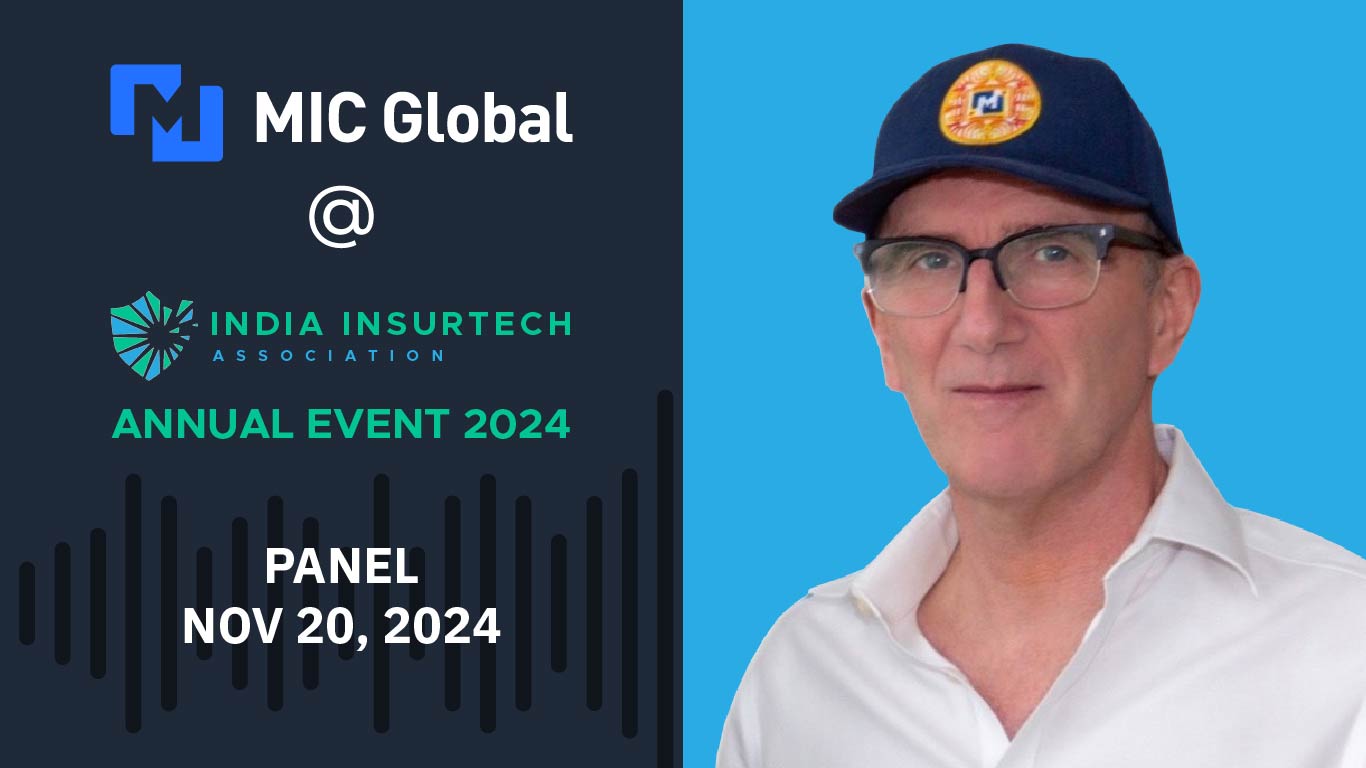
Harry Croydon, MIC’s Co-Founder & COO, attended the India InsurTech Association’s Annual Event 2024, guesting on the panel discussion “Lloyd’s & Indian InsurTech: Collaborating for Growth”. The panel discussed the future of InsurTech and the growing collaboration between Lloyd’s and India’s dynamic insurance sector. (45m 49s).

Let’s Grow Together

Explore Our Demo

In The Press

From $6.5T to $12T: Doubling the Insurance Industry Through Technology! – Harry Croydon, COO [Tech People by OpsTalent]

01.17.2025
Podcast
mic podcast techpeople jan

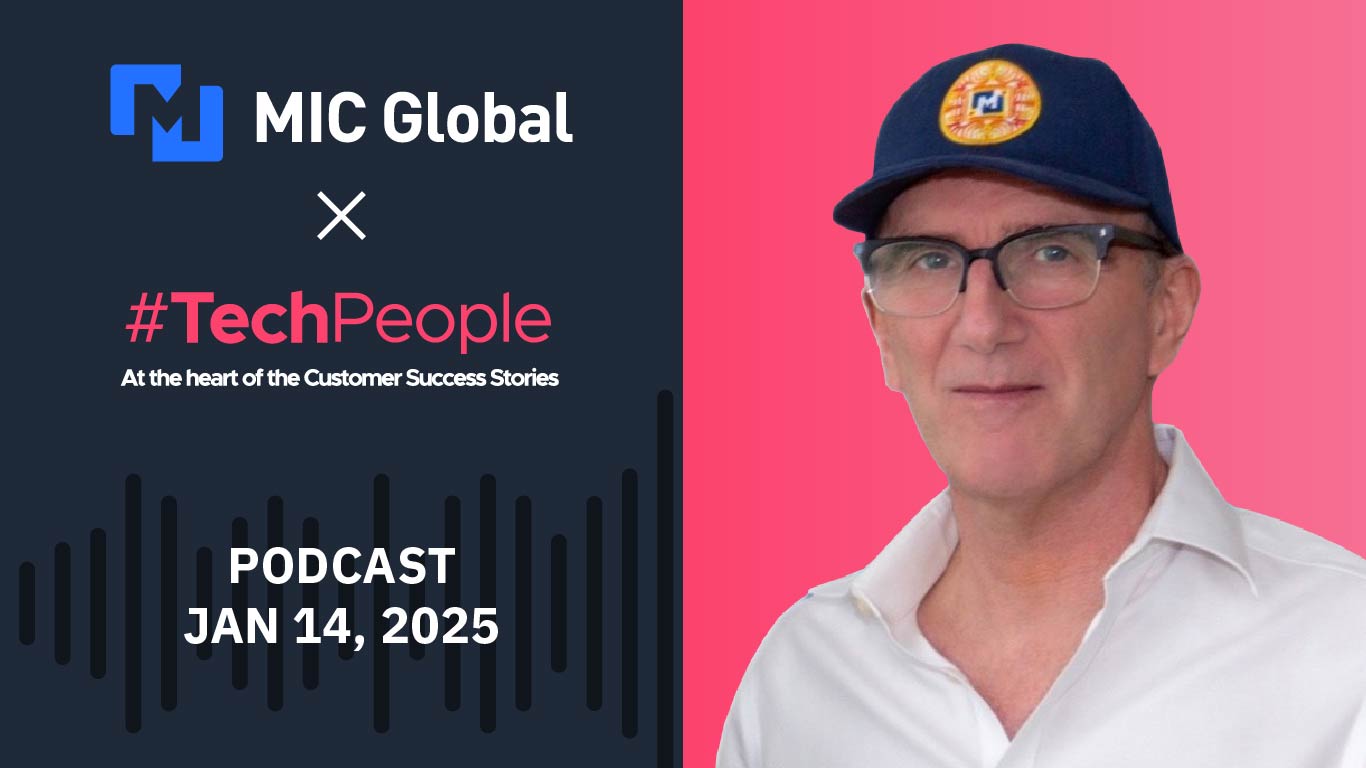
The insurance industry is on the brink of transformation. Traditionally viewed as slow, complicated, and disconnected from the demands of today’s consumers, it’s now poised for a revolution driven by technology.

Harry Croydon, MIC’s Co-Founder & COO, features on the Tech People by OpsTalent podcast, joining Ken Coyne to explore how AI and Machine Learning are unlocking new opportunities through embedded insurance products, reaching millions more people and redefining the industry.

Learn how this wave of innovation could potentially double the size of the insurance sector in the coming years! (26m 17s).

Learn more about OpsTalent on their website.

 Listen on: Apple PodcastsSpotify

Let’s Grow Together

Explore Our Demo

In The Press

$13 Million Raised to Build the Future of Embedded Microinsurance – Harry Croydon, COO [Category Visionaries by Front Lines]

11.07.2024
Podcast
mic podcast categoryvisionaries

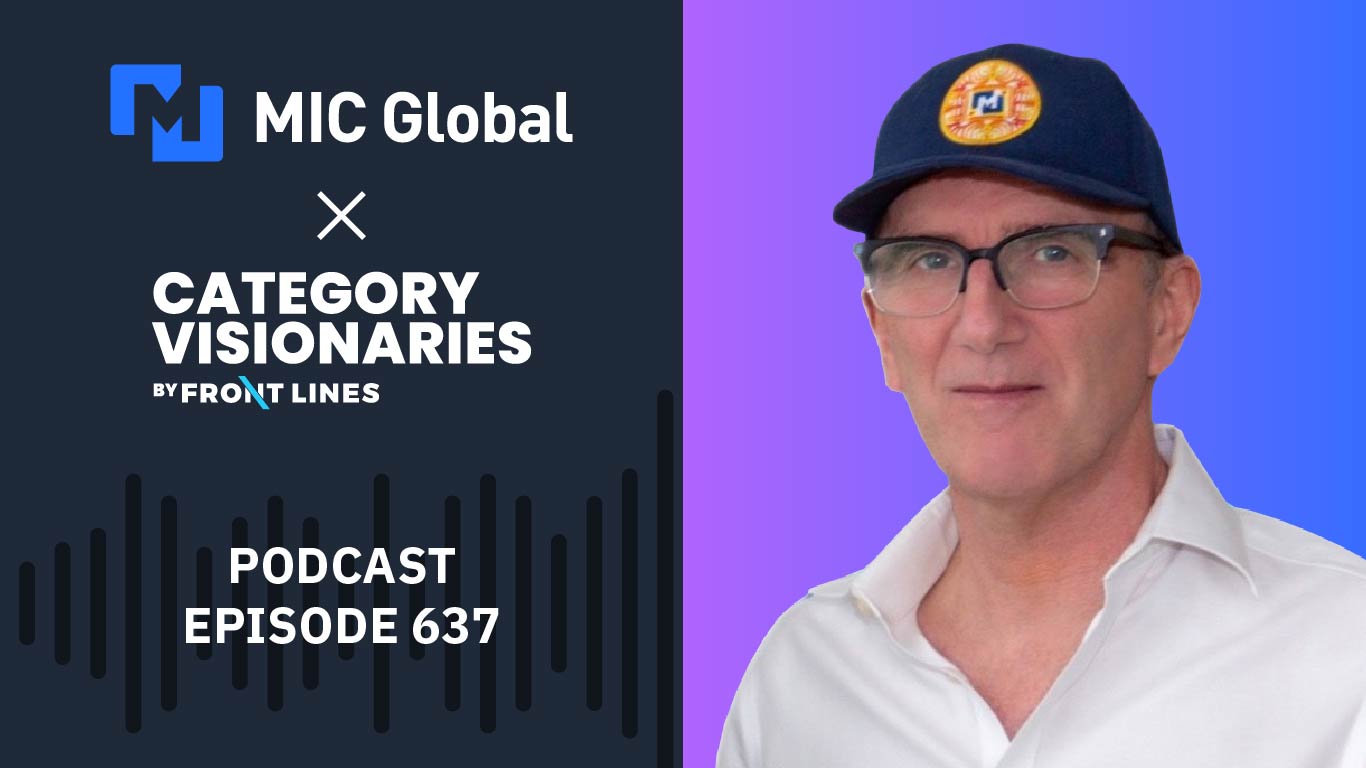
Harry Croydon, MIC’s Co-Founder & COO, features on the Category Visionaries by Front Lines podcast, joining Brett Stapper to discuss the evolving insurance technology landscape, navigating major market challenges such as the dot-com bubble, the emergence of embedded micro insurance, and building a global insurance infrastructure to service the platform economy through broker and insurance partnerships (21m 49s).

In 1999, when digital tools were still in early adoption, Harry ventured into a new field: cyber insurance, or “insuring the Internet”. His early business survived the dot-com crash and 9/11 by prioritizing resilience over rapid spending. This lesson proved vital when he co-founded MIC Global, an embedded micro insurance company that’s raised $13 million to reshape insurance for the digital economy. However, success required him to rethink the company’s business model entirely.

Initially, MIC Global aimed to match customers with insurance giants like AIG and Munich Re, earning fees as a broker. But after months of effort, they found these deals hard to close. Major insurers viewed them as too small, leading Harry to pivot. MIC Global became an insurance provider itself, allowing them to take on clients directly. This shift enabled MIC Global to serve companies operating at global scale, especially platform businesses that need flexible, multi-country coverage—something traditional insurers were slow to provide.

To meet these unique demands, MIC Global built its infrastructure to support rapid, global growth from the start. Recognizing the limitations of traditional distribution, they embedded insurance into customer purchase flows. This approach ensures that clients can buy coverage seamlessly within their transactions, for instance, rent protection added when a user agrees to a rental payment.

Their multi-channel strategy also avoids dependence on brokers or direct sales alone. Partnerships with global insurers extend MIC Global’s reach, making them an ideal partner for platform companies needing international coverage. Harry emphasizes that technology is key to future insurance growth, especially in areas like claims, fraud management, and customer service.

His takeaway for tech founders is simple: understand the need first, then build a tailored solution—even if it means transforming into the type of company the market lacks.

Learn more about Front Lines on their website.

 Listen on: Apple PodcastsSpotify

Let’s Grow Together

Explore Our Demo

In The Press

MIC Global partners with VOOM Insurance to Reinsure Rideshare Business

11.06.2024
Press Release
a pr voom

NEW YORK, NY, UNITED STATES (Nov. 6, 2024) – MIC Global (MIC), a pioneering full-stack embedded micro insurance provider, is pleased to announce a new partnership with leading InsurTech company VOOM Insurance, to provide reinsurance to its rideshare business.

This strategic collaboration aligns perfectly with MIC’s mobility book and underscores its commitment to supporting innovative insurance solutions for the future of mobility.

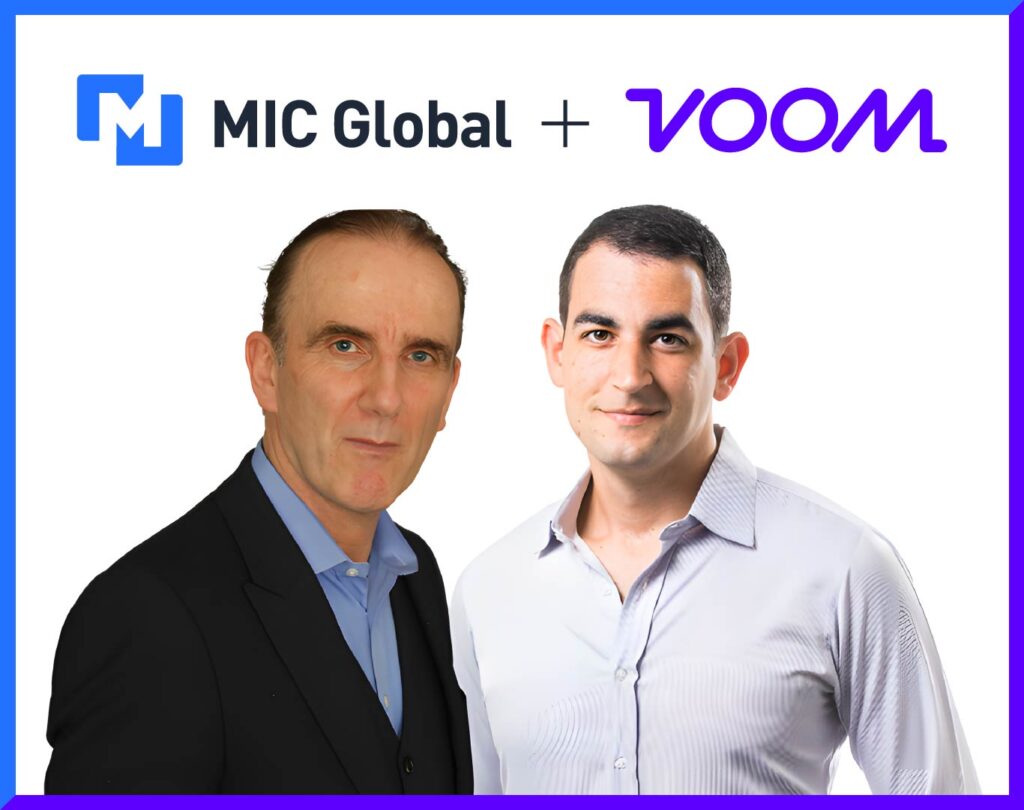
Photos of Harry Croydon (MIC Global) and Tomer Kashi (VOOM), with company logos above.
Harry Croydon (Co-Founder & COO, MIC Global) and Tomer Kashi (Co-Founder & CEO, VOOM Insurance)

VOOM Insurance, known for its cutting-edge, usage-based insurance products, has been at the forefront of providing tailored solutions for emerging mobility segments across the USA. Many rideshare drivers primarily use their vehicles for professional purposes, with limited personal use, yet they often overpay for traditional personal insurance. VOOM addresses this issue by offering drivers a switch to affordable, usage-based coverage that is rated based on their lower personal mileage, helping them avoid overpaying as well as bridging potential coverage gaps. This partnership will enable VOOM to expand its offerings with a product specifically designed for gig drivers, delivering tailored protection and significant savings.

Harry Croydon, Co-Founder & COO of MIC, said:

“We are incredibly excited to partner with VOOM Insurance. This collaboration not only strengthens our mobility book but also allows us to support a company that is truly revolutionizing the insurance industry. VOOM’s innovative approach to usage-based insurance is a perfect fit for our strategic goals, and we look forward to a successful partnership.”

Tomer Kashi, Co-Founder & CEO of VOOM Insurance, shared his enthusiasm for the partnership:

“Partnering with MIC is a significant milestone for VOOM. Their expertise and commitment to innovation make them an ideal partner as we continue to develop and expand our rideshare insurance offerings. Together, we will provide unparalleled coverage and support for rideshare drivers, ensuring they have the protection they need.”

This partnership marks a significant step forward in the evolution of rideshare insurance, combining the strengths of both companies to deliver exceptional value and service to customers. With this collaboration, MIC and VOOM Insurance are poised to lead the way in the future of mobility insurance.


About MIC Global:

MIC Global is a full-stack embedded micro insurance provider purpose-built to transform the insurance industry by reimagining and integrating simple and relevant insurance products that provide loss of income cover for people so that they can provide for their families and recover swiftly. MIC was founded with an aspirational goal to help close the insurance protection gap by providing inclusive and affordable insurance to people and to support them in their time of need.

To learn more, please visit https://www.micglobal.com or Contact Us (Press Inquiries)

About VOOM:

VOOM is an InsurTech pioneer, crafting cutting-edge, usage-based insurance solutions for the future of mobility. The company’s expertise lies in various mobility segments across all categories, from commercial drones and light aircraft to e-bikes, motorcycle and rideshare insurance. VOOM has already issued more than 100,000 policies to date.

Learn more about VOOM or to get a quote, visit https://www.voominsurance.com

Let’s Grow Together

Explore Our Demo

In The Press

Embedded Microinsurance: Revolutionizing Financial Protection – Harry Croydon, COO [Insurtech Story Podcast]

10.24.2024
Podcast
mic podcast insurtechstorypodcast harry

Our COO, Harry Croydon, features on the Insurtech Story Podcast podcast, joining Surya Saha as they discuss transforming access to insurance through embedded micro insurance, the role of AI and blockchain within micro insurance solutions, and explore real-world embedded micro insurance success stories and lessons. (28m 39s).

Embedded microinsurance is reshaping the insurance landscape by seamlessly integrating coverage into everyday products and services, making protection accessible to underserved populations. This episode explores how embedded microinsurance models are empowering consumers, particularly in emerging markets, by providing affordable, on-demand insurance solutions. We delve into the role of technology – AI, IoT, and blockchain – in enabling this shift, examine real-world examples of successful implementations, and discuss the potential for scaling. Tune in to discover how embedded microinsurance is driving financial inclusion and what the future holds for this transformative approach in the insurance industry.

Points of discussion:

  1. How is embedded microinsurance transforming the way underserved populations access financial protection, and what are the key advantages of integrating it into everyday products and services?
  2. What role do emerging technologies like AI and blockchain play in scaling embedded microinsurance solutions, and how do they contribute to improving customer experience and risk management?
  3. Could you share some real-world examples where embedded microinsurance has been successfully implemented, and what lessons can we learn from these use cases for broader adoption in different markets?

Learn more about Insurtech Story Podcast on their website.

 Listen on: Apple PodcastsSpotify | Amazon Music | YouTube

Let’s Grow Together

Explore Our Demo

In The Press

MIC Global intends to become Lloyd’s coverholder of Greenlight Re’s Syndicate 3456

10.10.2024
Company News Press Release Underwriting
a pr greenlightre
MIC Global and Greenlight Re logos

LONDON, UNITED KINGDOM (Oct. 10, 2024) – MIC Global (MIC) is pleased to announce that it intends to become a Lloyd’s coverholder of Greenlight Re’s Syndicate 3456 (S3456) subject to applicable approvals. This strategic move marks a strengthening of the partnership between MIC and Greenlight Re, building on their shared focus on innovation within the Lloyd’s market.

MIC is focused on embedding micro insurance solutions for platform businesses, while S3456 is specialised in delivering market-leading insurance products through partnerships with leading InsurTechs.

Greenlight Re has been a strategic partner of MIC since its inception, and this next step further solidifies this collaboration. Both parties aim to leverage their collective expertise and resources to drive greater innovation at Lloyd’s.

Jamie Crystal, CEO of MIC, said:

“We are excited about joining forces with S3456. This allows us to build on our existing partnership and to leverage the scale and resources that S3456 and Lloyd’s bring. We are confident that this will enhance the value we can deliver to our clients and business partners.”

Pat O’Brien, CEO of Greenlight Re Ireland, added:

“We are delighted to welcome MIC to S3456. We are confident that the combined strength will create an even more dynamic and innovative hub within Lloyd’s. The addition of MIC as a coverholder with S3456 will provide substantial value and resources to both Greenlight Re and MIC, and we look forward to building on this strong foundation.”

Lorraine Harfitt, CEO of Asta, said:

“This partnership represents an exciting opportunity to strengthen the innovative capabilities of S3456. We look forward to supporting their continued growth and success at Lloyd’s.”


About MIC Global:

MIC Global is a full-stack embedded micro insurance provider purpose-built to transform the insurance industry by reimagining and integrating simple and relevant insurance products that provide loss of income cover for people so that they can provide for their families and recover swiftly. MIC was founded with an aspirational goal to help close the insurance protection gap by providing inclusive and affordable insurance to people and to support them in their time of need.

To learn more, please visit https://www.micglobal.com or Contact Us (Press Inquiries)

About Greenlight Re:

Greenlight Capital Re, Ltd. (www.greenlightre.com) provides multiline property and casualty insurance and reinsurance through its licensed and regulated reinsurance entities in the Cayman Islands and Ireland, and its Lloyd’s platform, Greenlight Innovation Syndicate 3456. The Company complements its underwriting activities with a non-traditional investment approach designed to achieve higher rates of return over the long term than reinsurance companies that exclusively employ more traditional investment strategies. The Company’s innovations unit, Greenlight Re Innovations, supports technology innovators in the (re)insurance space by providing investment capital, risk capacity, and access to a broad insurance network.

About Asta:

Asta Managing Agency is the leading third-party managing agent at Lloyd’s and is responsible for 12 syndicates, eight SIABs and one SPA, with capacity under management in 2024 of more than £2.5bn:

  • Syndicate 4242 and SPA 1416 (Beat)
  • Syndicate 4747 (Carbon)
  • Syndicate 1988 (CFC)
  • Syndicate 2786 (Everest)
  • Syndicate 3123 (Fidelis)
  • Syndicate 1985 (Flux)
  • Syndicate 2689 (Hampden Risk Partners)
  • Syndicate 2525 (Ive)
  • Syndicate 1609 (Mosaic)
  • Syndicate 1892 (MPS)
  • Syndicate 1322 (Trium)
  • Syndicate 1699 (Volante)

8 SIABs:

  • Syndicate 2427 (Agile)
  • Syndicate 3456 (Greenlight)
  • Syndicate 1902 and Syndicate 1966 (MCI)
  • Syndicate 5183 (MIC)
  • Syndicate 1922 (Oka)
  • Syndicate 1796 (Parsyl)
  • Syndicate 2880 (Sukoon)

MGAs:

Asta Underwriting Management Limited (AUML) brings the skills, experience and capabilities of the leading third-party managing agency at Lloyd’s to the MGA market.

MGAs under management:

  • Arma Underwriting Limited
  • Artes
  • Paul Witzenfeld MGA

Let’s Grow Together

Explore Our Demo